

Reading time : 8 min | Updated : April 2026
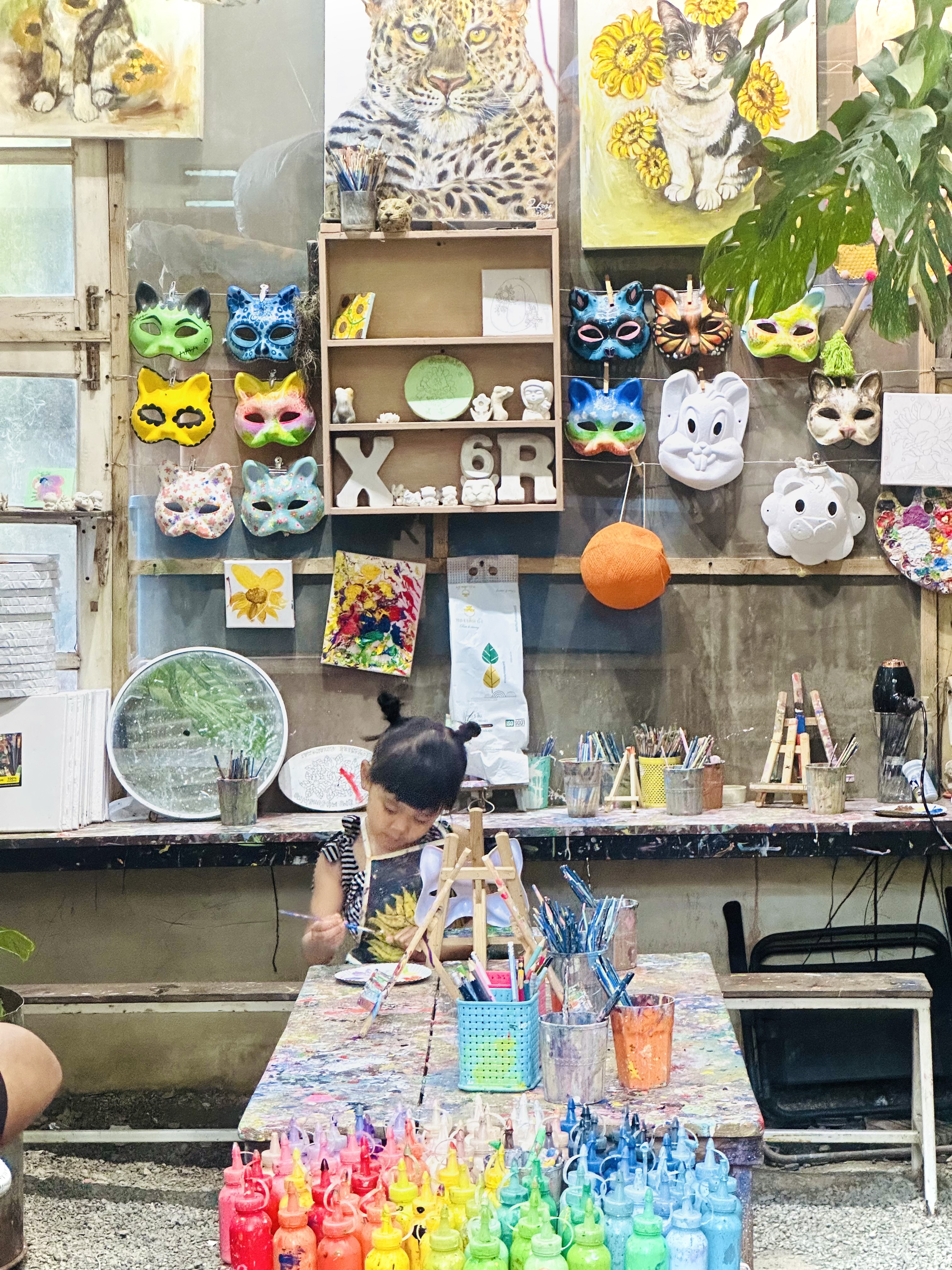
There are cities in Southeast Asia where you buy crafts and cities where you learn how they are made. Chiang Mai is firmly in the second category. The northern Thai capital has been a centre for traditional craftsmanship for centuries, and what makes it unusual today is that the knowledge is still alive and being taught. Silversmiths, woodcarvers, painters, herbalists, and weavers are not performing for tourists. They are practicing trades that have been passed down through families and communities across generations.
A workshop in Chiang Mai is not the same thing as a souvenir. It is two hours with someone who actually knows what they are doing, making something with your hands that did not exist before you sat down. That distinction matters, and it shows in what you bring home.

Why Chiang Mai Has This and Most Cities Do Not
The Lanna Kingdom, which ruled northern Thailand from the 13th to the 18th century, developed its own distinct artistic tradition that was deliberately separate from the royal workshops of central Thailand. Lanna art drew on influences from Burma, Yunnan, and the hill communities of the highlands, and produced a visual language found in temple architecture, manuscript illustration, textile weaving, and metalwork.
When the Lanna Kingdom was absorbed into the Thai state, Chiang Mai retained its craft identity rather than abandoning it. The Wua Lai Road neighbourhood south of the Old City has been a silversmithing district since the Lanna era. The wood carving workshops on the Bo Sang Road east of the city are still family-run operations. The tradition survived partly because of geography: Chiang Mai was far enough from Bangkok to develop on its own terms.

Silversmithing : The Craft Chiang Mai Is Most Famous For
The Wua Lai Road area has been associated with silver work since the 19th century, when skilled silversmiths from the Shan states of Burma settled in the neighbourhood and established workshops that are still operating today. The technique involves working with sterling silver sheet, forming and soldering shapes by hand, adding texture through hammering and engraving, and finishing with polish. It is precise, satisfying, and genuinely learnable in a single session.
The silver ring workshop takes about two hours and walks you through the complete process from raw sheet to finished ring. You choose from more than twenty designs or create your own, size it yourself, solder the join, shape the band, and add texture. No experience is needed. The ring you leave with is made from nickel-free sterling silver and is something you actually made rather than bought at a market stall.
For couples, this is one of the more memorable shared activities available in Chiang Mai. For solo travelers, it is a way of spending two hours in genuine concentration on something that produces a lasting result.

Wood Carving : Reading a Temple Through Your Hands
If you have spent any time inside Chiang Mai's temples, you have seen the wood carving tradition without necessarily identifying it as such. The gilded panels above doorways, the decorative gables, the intricate lacquerwork on manuscript cabinets, all of it is carved wood, and all of it follows visual patterns that have been in continuous use since the Lanna period.
A wood carving workshop gives you a working understanding of those patterns in a way that looking at them never quite does. You sit with a piece of teak or camphorwood and a set of gouges, and you follow the basic movements that underlie every piece of Lanna decorative carving. The wood carving workshop and cultural discovery session in Chiang Mai takes two hours and includes context on the cultural meaning of the patterns you are learning, which is the part that most craft workshops leave out.
After doing this, walking through Wat Phra Singh or Wat Chedi Luang feels different. You understand what went into the surfaces you are looking at in a way that changes how you see them.

Traditional Thai Art : Drawing the Patterns of the Temples
Lai Thai is the name for the formal decorative pattern system used in Thai temple architecture, manuscripts, and ceremonial objects. The curvilinear forms, the symmetrical arrangements, the way negative space is used as deliberately as positive space: it is one of the most recognisable visual languages in Southeast Asia, and almost nobody outside Thailand knows how to make it.
The traditional Thai art workshop is a guided session with a local artist and designer who teaches you to draw Lai Thai patterns step by step, from basic forms through to adding detail and color. No art experience is needed. The class is small, the instruction is in English, and you leave with a finished piece that functions as both a souvenir and evidence that you spent two hours doing something genuinely new.

Herbal Workshops : The Craft of Traditional Medicine
Northern Thailand has a long tradition of plant-based medicine that developed independently of both central Thai and Western medical systems. The herbs used in traditional northern Thai remedies, camphor, galangal, kaffir lime, lemongrass, prai root, have specific preparation methods that have been transmitted through communities of healers and market vendors for generations.
The Thai yadom, the small herbal inhaler that you see being used everywhere in Thailand, is one of the most accessible entry points into this tradition. It takes about an hour to make, involves grinding and blending dried herbs according to a traditional formula, and produces something you will actually use. The herbal tea blending workshops follow a similar logic: you learn about the properties of individual herbs, how they interact, and how to construct a blend for a specific purpose.
These workshops sit at the intersection of craft, medicine, and cultural knowledge. They are also among the least-visited options in Chiang Mai's workshop scene, which means the sessions tend to be genuinely small and the instruction genuinely personal.

Soap Making : A Newer Workshop With Deep Roots
The use of natural plant extracts, essential oils, and botanical ingredients in Thai personal care has a long history, even if the cold-process soap format is a more recent craft. The workshops in Chiang Mai that teach soap making tend to connect the process back to the botanical traditions of northern Thailand, using ingredients like turmeric, tamarind, and coconut oil that appear throughout the local food and medicine culture.
A two-hour session produces several bars of soap to take home. It is a good option for travelers who want a workshop experience that is accessible for any age and produces something genuinely useful.

Moonlight Making : The Creative Side of Chiang Mai After Dark
Not every workshop in Chiang Mai follows a tradition that is centuries old. The city also has a lively contemporary craft scene, and this Workshop is one of the more interesting examples. Evening sessions, a relaxed creative environment, and a rotating set of projects that change depending on the group. It is a different kind of experience from the traditional workshops, but it reflects something real about Chiang Mai : the city has always absorbed new influences and made them its own.

How to Plan a Workshop Day
Most workshops in Chiang Mai run between two and three hours and cost between 25 and 80 USD per person. Almost all of them are beginner-friendly by design. You do not need to declare your skill level in advance or worry about keeping up. The session moves at the pace of the slowest person in the room, which is usually the right pace for everyone.
A practical approach for a workshop day in Chiang Mai is to book one morning session and one afternoon session in different crafts. Morning for silversmithing or wood carving, which require focus and concentration, afternoon for Thai art or herbalism, which are more meditative. That gives you a full day of making without it feeling rushed, and two very different things to bring home.
Book at least two to three days in advance. The better workshops have small group sizes by design and fill their slots early, particularly in peak season between November and February.
FAQ
Do I need any craft experience to join a workshop in Chiang Mai ? No. Every workshop listed here is explicitly designed for beginners. The instruction is in English, the materials are provided, and the pace is set by the group rather than a fixed schedule.
How much do workshops cost in Chiang Mai ? Between 800 and 2,500 baht per person depending on the craft and duration. Silversmithing and wood carving tend to sit at the higher end because of material costs. Herbal and soap workshops are generally the most affordable.
Can children join craft workshops in Chiang Mai ? Most workshops accept participants from around ten years old. Silversmithing involves a soldering torch and is usually recommended for twelve and up. Thai art and herbal workshops are accessible for younger children with adult supervision. Check with the specific provider when booking.
What is the best area in Chiang Mai for traditional crafts ? Wua Lai Road for silversmithing. The Bo Sang Road area east of the city for umbrella and lacquerwork. The Old City and Nimman area for contemporary and mixed-format workshops. Most can arrange pickup from accommodation in the central area.