
The internet's answer to "best time to visit Chiang Mai" is some version of "November to February is best, but it's beautiful year-round!". This is technically true and practically useless.
The reality has nuance. Some months are genuinely magical. Some months we'd actively tell you to skip if you have flexibility. The difference between visiting in November vs March can be the difference between "trip of a lifetime" and "I want my money back".
This guide gives you the honest version. Month by month, with ratings, what each season offers, and what we'd actually book during each window. Written by people who live here year-round and see the consequences of bad timing on travelers' faces.
The Quick Answer (TL;DR)
If you have 30 seconds:
- November to February: ideal. Cool, dry, perfect for everything. Book early because everyone knows this.
- March to May: avoid if you can. Burning season makes air quality dangerous in some weeks. Specific activities are still OK.
- June to October: underrated. Green, lush, fewer tourists, occasional rain. Great if you accept some flexibility.
If you only had one month to pick: December. Cool, clear, festive, full of life. If you had to avoid one month: April. Hot, smoky, and the city empties out for Songkran chaos.
The rest of this guide goes deeper. Read on if your dates aren't fully locked yet.
The 3 Seasons of Chiang Mai (And Why "Wet vs Dry" Misses the Point)
Most guides describe Thailand with two seasons: wet and dry. Northern Thailand has three real seasons that matter for travelers:
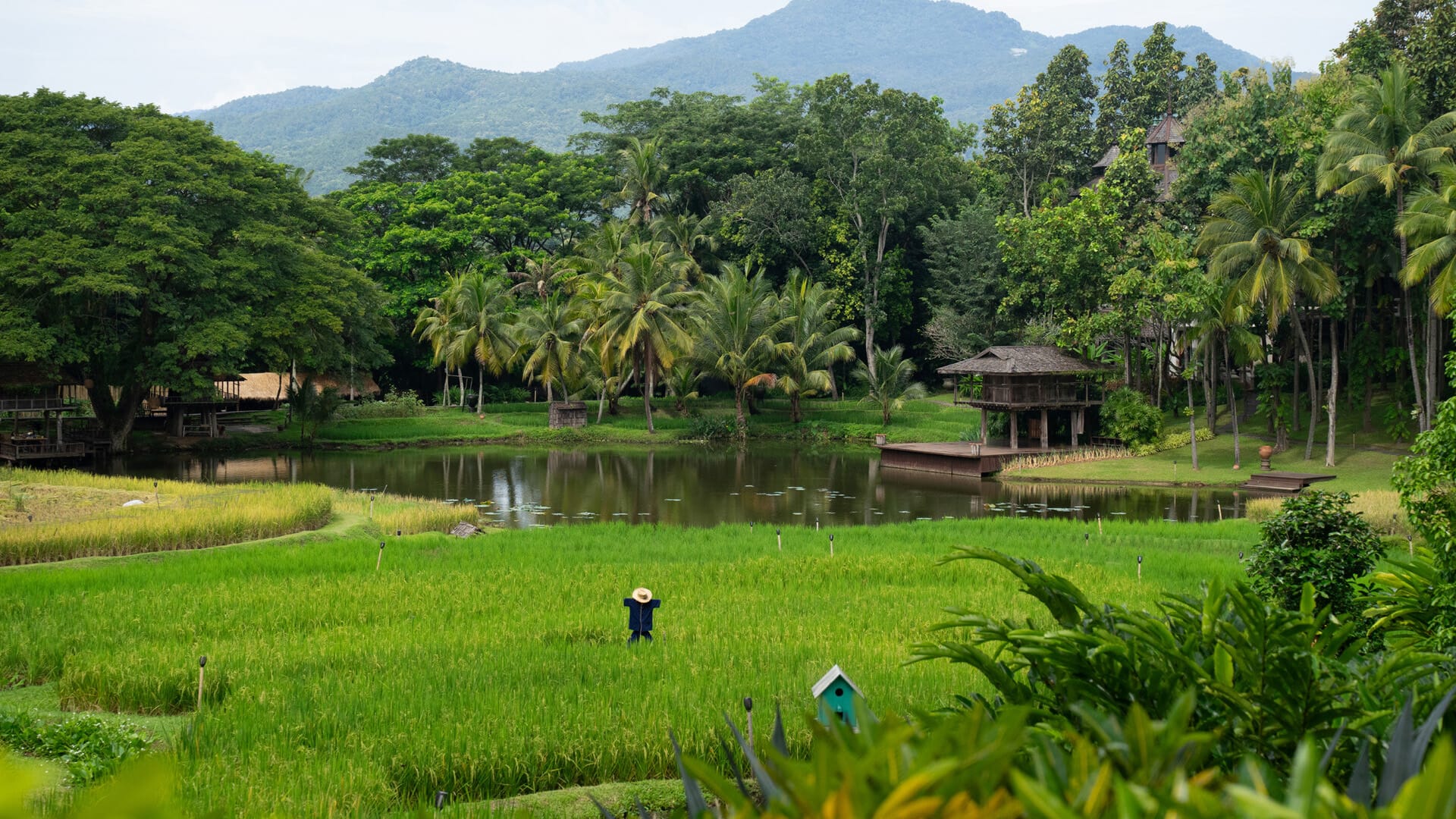
Cool Season: November to February
The famous one. Cool, dry, clear skies, comfortable temperatures (15-28°C day/night). Tourism peak. Festival season (Loy Krathong, Yi Peng in November). Highest prices but best conditions. The version of Chiang Mai you've seen in every Instagram post.
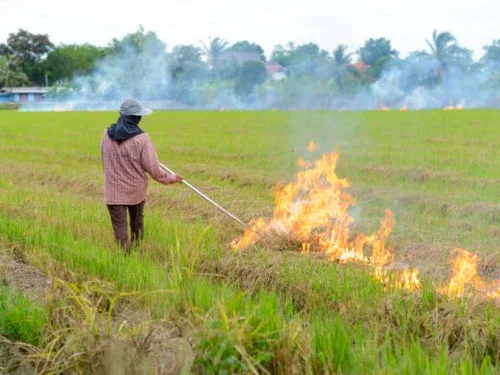
Burning Season: March to May
The forgotten season. Agricultural burning across Northern Thailand creates dangerous air quality, with AQI regularly above 200 (the WHO considers anything above 100 unhealthy). Temperatures climb to 35-40°C. The city visibility drops, mountain views disappear, lungs suffer. Most informed travelers avoid this window.
Green Season: June to October
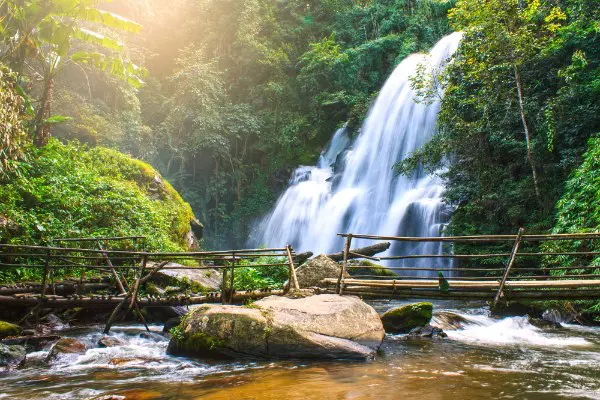
The underrated one. Daily rain (usually 1-2 hours in the afternoon), tropical greenery at maximum lushness, waterfalls at full power, fewer tourists, lower prices. Air quality is the best of the year because the rain washes everything clean. Not the season for sun-worshippers but excellent for slow travel and nature.
Month-by-Month Breakdown
Here's the honest verdict for each month, with ratings out of 5 stars based on weather, air quality, prices, crowds, and overall experience.&
January (★★★★★)
The peak of cool season. 15-28°C day/night, dry, clear blue skies, occasional cool mornings (sometimes down to 12°C). Tourism is at maximum, prices are at maximum, but conditions are at maximum too.
- Best for: temples, outdoor activities, day trips, cooking classes outdoors
- Worst for: budget travelers (peak prices), people who hate crowds
- Book early: hotels and tours sell out 2-4 weeks ahead
January is the objectively best month if you want pure conditions and don't mind tourism. If you're booking far in advance and want zero risk, this is the answer.
February (★★★★★)
Almost identical to January. Slightly warmer at the end of the month (25-30°C), still dry, still clear. Chinese New Year fills the city with regional tourism in early February. The Flower Festival happens the first weekend of February in Buak Hard Park, worth attending.
- Best for: late-bookers who missed January, photographers (clear air still holds), couples (Valentine's Day in Chiang Mai is genuinely romantic)
- Worst for: anyone arriving Feb 1-3 during Chinese New Year crowd peak
February is our personal favorite month. The peak tourist rush of December-January starts to ease, the weather is still perfect, and the city feels more livable.
March (★★)
The transition into hell. Early March is still OK (warm, hazy but tolerable), but by mid-March, burning season starts in earnest. Air quality drops below acceptable levels by late March. Temperatures climb to 32-38°C.
- Best for: anyone who can leave by mid-month, indoor activities only after
- Worst for: outdoor enthusiasts, photographers, people with asthma or allergies
- Verdict: book only if your dates are fixed and you can't change
If you have flexibility, shift your trip to February or November. If you must come in March, plan indoor-heavy days: cooking classes, temple interiors, spas, cafés. We covered indoor-friendly activities in our cooking classes guide.
April (★)
The worst month for most travelers. Peak burning season air pollution (AQI often above 250), peak heat (often 38-40°C), and Songkran (Thai New Year) on April 13-15 turns the entire city into a 3-day water battle.
- Best for: travelers who specifically want Songkran (the water fight is genuinely fun if you're prepared), nobody else
- Worst for: literally everyone else
- Air quality warning: if you have respiratory issues, don't come in April. Even masks aren't enough on the worst days.
If you have to come in April, schedule around Songkran: either be in town April 12-16 to enjoy it, or leave Chiang Mai for an island during those dates and return after.
May (★★)
Recovery month. Burning slows in early May, first rains usually arrive mid-to-late May, air quality starts clearing. Still hot (32-36°C) but with relief in sight.
- Best for: bargain hunters (prices are at their lowest), travelers who want to see the dramatic transition from dry to green season
- Worst for: people expecting clear weather (it's unpredictable)
May is risky but improving. We've seen travelers have a great May trip (rain washed the sky clean by mid-month) and others have a bad one (burning extended into May). It's a gamble.
June (★★★★)
Green season kicks in. Daily afternoon showers (usually 1-2 hours, then clearing), temperatures drop to 28-32°C, vegetation explodes. Air quality is excellent, often the best of the year.
- Best for: photographers (lush green everything, dramatic skies), slow travelers, budget-conscious visitors (prices drop 30-40%)
- Worst for: travelers who want guaranteed dry weather, beach-style relaxation
June is the start of underrated season. Tourism drops sharply after Songkran, and the city feels relaxed again. Excellent month for digital nomads who want a calm Chiang Mai with full amenities.
July (★★★★)
Similar to June. More frequent rain (sometimes 2-3 hours daily) but the pattern is predictable: mornings clear, afternoons rainy, evenings clear again. Temperature 27-31°C, humidity high, but tolerable.
- Best for: digital nomads on month-long stays (work mornings, swim/relax afternoons), nature photographers, anyone who wants Chiang Mai mostly to themselves
- Worst for: 5-day trips where rain timing matters too much
August (★★★)
Peak monsoon. The most rain of the year, sometimes flash flooding in certain neighborhoods. Greenery is at maximum, waterfalls at maximum power, mountain views often clouded. Mae Kampong is at its most lush right now, detailed in our Mae Kampong guide.
- Best for: photographers wanting moody atmospheres, slow travelers comfortable with rain, anyone wanting maximum nature
- Worst for: outdoor activity dependents, sun-seekers
September (★★★★)
Tail end of monsoon. Rain frequency drops, days get sunnier, the city dries out. Temperatures start cooling slightly (26-30°C). One of the most underrated months in our experience.
- Best for: travelers wanting low prices + good weather, photographers, slow travelers
- Worst for: late-summer beach-style travelers expecting heat
October (★★★★)
Sweet spot before the rush. Rain mostly ends by mid-October, temperatures stabilize at 25-29°C, air is clean, greenery still lush from monsoon. Prices haven't peaked yet. Yi Peng and Loy Krathong sometimes fall in late October.
- Best for: smart travelers who know to come just before November tourism peak, people who want to see the lantern festival without peak crowds
- Worst for: nothing really. October is consistently good.
October is our second favorite month after February. Same conditions as November but with 30% fewer tourists.
November (★★★★★)
Festival month. Yi Peng (lantern festival) and Loy Krathong typically happen in mid-November (dates vary by lunar calendar). The city is at peak energy: festivals, light displays, parades, ceremonies. Weather is perfect (cool, dry, clear).
- Best for: festival-goers, photographers, anyone who wants the "full Chiang Mai experience"
- Worst for: introverts who hate crowds (the festivals are crowded)
- Book extremely early: hotel prices can triple during Yi Peng week
The best week of the year: the week of Yi Peng/Loy Krathong. The worst time to book last-minute: also the week of Yi Peng/Loy Krathong.
December (★★★★★)
The crown jewel. Cool (15-28°C), dry, clear, festive. Christmas and New Year bring international tourism peaks but also a celebratory atmosphere. The mountains around Chiang Mai are at their most photogenic.
- Best for: international travelers on holiday break, families, anyone who wants peak conditions
- Worst for: budget travelers (December 20 - January 5 is the most expensive window of the year)
- Book by September for late December trips
If you can only pick one month, December is the safest answer.
The Truth About Burning Season (And Why "It's Not That Bad" Is Wrong)
Most tourism marketing minimizes burning season. The truth is harsher.
From mid-March through April, agricultural burning in Northern Thailand, Myanmar, and Laos creates a regional smog event. Chiang Mai's AQI regularly exceeds 200, sometimes 300-400 on the worst days. For context: anything above 150 is unhealthy for everyone, anything above 300 is hazardous.
What this means for visitors:
- Mountain views disappear: Doi Suthep terrace shows haze instead of valley. Doi Inthanon trip photos look like a foggy day.
- Outdoor exercise becomes risky: running, cycling, hiking are physically dangerous on bad days
- Eyes burn, throat irritates: even healthy travelers feel it after 2-3 days
- Children, elderly, asthmatics: should avoid the city entirely in late March and April
- Most "outdoor" activities lose 70% of their appeal: zipline, rafting, day trips all become hazy at best
What about masks? N95 masks help but don't eliminate the problem. You'd need to wear them outdoors all day. Few travelers actually do this consistently.
What about indoor activities? Burning season is the best time for indoor experiences: cooking classes, temple interiors, spas, cafés, massages. If your dates are fixed in March-May, build your itinerary around indoor activities. Outdoor temple visits still work (just don't expect mountain views).
For deeper coverage of how to make the most of a burning-season visit, we wrote a dedicated piece: stay tuned for our burning season survival guide.
Best Time for Specific Activities
Different activities have different optimal windows:
Temples (November - February, October)
Cool mornings at Doi Suthep or Old City temples are unforgettable. Mist clearing from the valley, clear photos, comfortable to walk between temples. Our complete temples guide covers the timing details.
Outdoor Adventures and Day Trips (November - February, October)
Mountain day trips like Doi Inthanon and Doi Suthep are at their best in cool season. Clear views, comfortable temperatures, full waterfalls (slightly less impressive than rainy season but still good).
Ethical Elephant Sanctuaries (Year-round)
Sanctuaries are good in any season. Cool season is most pleasant, but the ethical sanctuaries we recommend operate well in rain too (covered shelters, indoor educational activities). See our ethical elephant sanctuaries guide.
Cooking Classes and Indoor Cultural Activities (Year-round, best in burning season)
Cooking classes are the perfect burning season activity because they're indoor and air-conditioned. Year-round availability with minimal weather sensitivity.
Yoga and Wellness (Year-round)
Yoga studios are mostly indoor with air filtration. Even rooftop yoga can work in cool season evenings, though we'd skip rooftop sessions during March-May due to air quality.
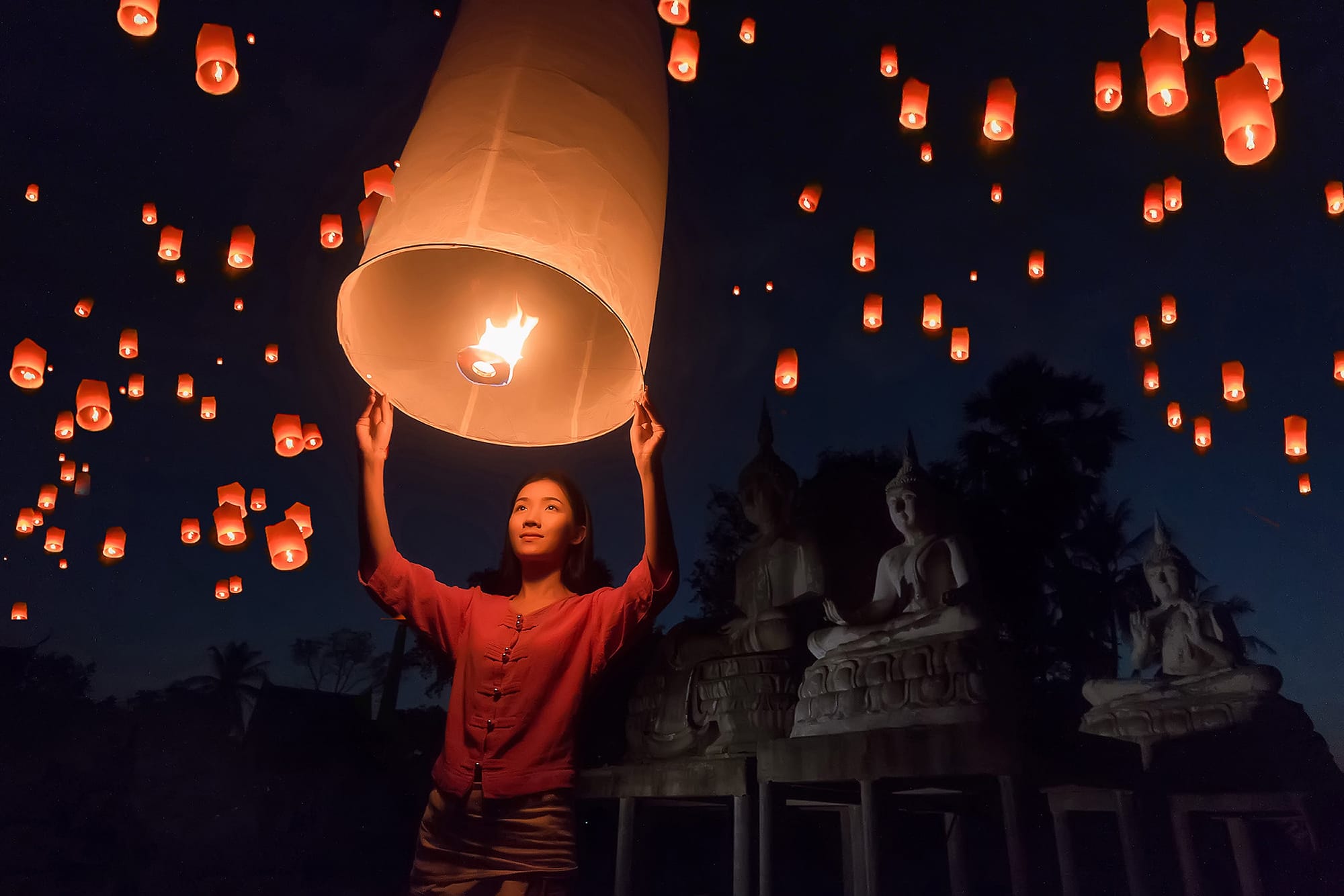
Yi Peng / Loy Krathong (Mid-November only)
Dates change yearly with lunar calendar. Mid-November is the general window. If this festival is your priority, plan your entire trip around it and book 6+ months ahead.
Songkran (April 13-15 only)
If the water festival is your priority, these are the only relevant dates. Otherwise, avoid these dates as activities are disrupted.
When to AVOID Chiang Mai (Honest Take)
Most travel sites won't say this. We will:
Late March to early May: avoid if you have any respiratory issues, asthma, allergies, or chronic conditions. Even healthy travelers report eye/throat irritation. The city is still functional, but the experience is degraded.
April 13-15 (Songkran): avoid if you dislike crowds or water fights. Songkran is fun if you're into it, exhausting if you're not. Activities are disrupted, prices spike, the city changes character.
Yi Peng week in November: avoid if you have a fixed tight budget. Hotels double or triple, popular activities sell out, the iconic mass lantern release at Mae Jo costs $100+ per person. Worth it if you came for the festival, frustrating if you didn't plan for it.
Christmas-New Year week (Dec 24 - Jan 3): avoid if you have a fixed tight budget. Most expensive week of the year, hotels at peak rates. Atmosphere is festive but commercial.
How Long to Stay (By Season)
Quick guide based on season:
- Cool season (Nov-Feb): 4-7 days is enough to do the highlights well. Worth extending if budget allows.
- Burning season (March-May): limit to 2-3 days max if you must come. Don't waste a long vacation on bad air.
- Green season (Jun-Oct): 5-10 days works well. The rain rhythm rewards longer stays where you have flexibility to work around showers.
For a 3-day cool season visit, our 3 Days in Chiang Mai itinerary covers a slow travel approach that maximizes the conditions.
What the Tourism Authority Says
The Tourism Authority of Thailand (tourismthailand.org) officially recommends November to February as the "best season" for Northern Thailand, citing temperature, rainfall, and air quality metrics. They're more diplomatic than we are about burning season (calling it "hot season" rather than "smoky season"), but the underlying recommendation matches: November to February is when conditions are objectively at their best.
FAQ: Best Time to Visit Chiang Mai
What's the rainiest month in Chiang Mai?
August is statistically the wettest, with around 250mm of rainfall. But "rainy" in Chiang Mai usually means 1-2 hours of afternoon showers, not all-day downpours. Most travelers can plan around it.
When is Chiang Mai cheapest?
May and September are the cheapest months. Hotels can be 40-50% off peak rates. May has weather risk (end of burning season). September has rain risk. Both are good options for budget travelers comfortable with conditions.
Can I visit Chiang Mai during Songkran?
Yes, if you specifically want the festival experience. The water fights happen city-wide April 13-15. Wear waterproof everything, secure your phone, accept that you'll be soaked for 3 days. No, if you want regular tourism. Most activities are closed or disrupted during the festival.
Is November or February better?
Both are excellent. November has the festivals (Yi Peng, Loy Krathong) but more crowds. February has slightly fewer crowds and equally good weather. We slightly prefer February for most travelers.
What about the elephant sanctuaries during burning season?
The sanctuaries are in valleys outside the city. Air quality is usually slightly better than central Chiang Mai (less concentrated smoke), but still not great. We'd recommend rescheduling elephant visits to cool season if you have flexibility.
Is the weather different in Pai/Mae Kampong vs Chiang Mai city?
Yes. Mountain destinations like Mae Kampong (1,300m elevation) are 5-8°C cooler year-round and slightly less affected by burning season smoke. Pai is similar. Mountain days during March-May are often more bearable than staying in the city.
When do most tourists visit Chiang Mai?
December to February is peak. November is high season starting. June to October is low season. March to May is also low season but for different reasons (weather).
Final Word: The Honest Verdict
If you have full flexibility on dates and want the easiest possible decision:
- Book November to February if you want peak conditions
- Book October or June if you want good conditions + lower prices
- Avoid March to May unless your dates are non-negotiable
The internet's "Chiang Mai is great year-round!" advice is technically true for the city (which has indoor activities year-round) but misleading for travelers who want mountain views, outdoor adventures, and clear photos. The seasons really matter.
If your dates are already locked and they fall in a tough month, we can help you adapt the itinerary to maximize what works. Drop us a comment with your dates and we'll suggest the right balance of activities for those specific conditions.
Team note: article updated May 2026. Climate patterns and AQI averages reflect long-term data and may shift due to climate change. Always check current AQI levels (apps like AirVisual or Plume Labs) within 2 weeks of your trip.