

Reading time : 8 min | Updated : April 2026
Nobody tells you what it feels like the first time the oil starts to thicken.
You have been stirring for a few minutes. The liquid in the bowl is still liquid, still separate, still just oils and water and something you were told to trust. And then, without any particular announcement, the texture changes. The mixture slows. It starts to hold the trace of the stick blender when you lift it. It is becoming something. Something that did not exist five minutes ago. Something that, in a few weeks, you will hold in your hands every morning and know that you made.
This is what soap making feels like from the inside. Not the idea of it. The actual experience. And it is nothing like what you expected.
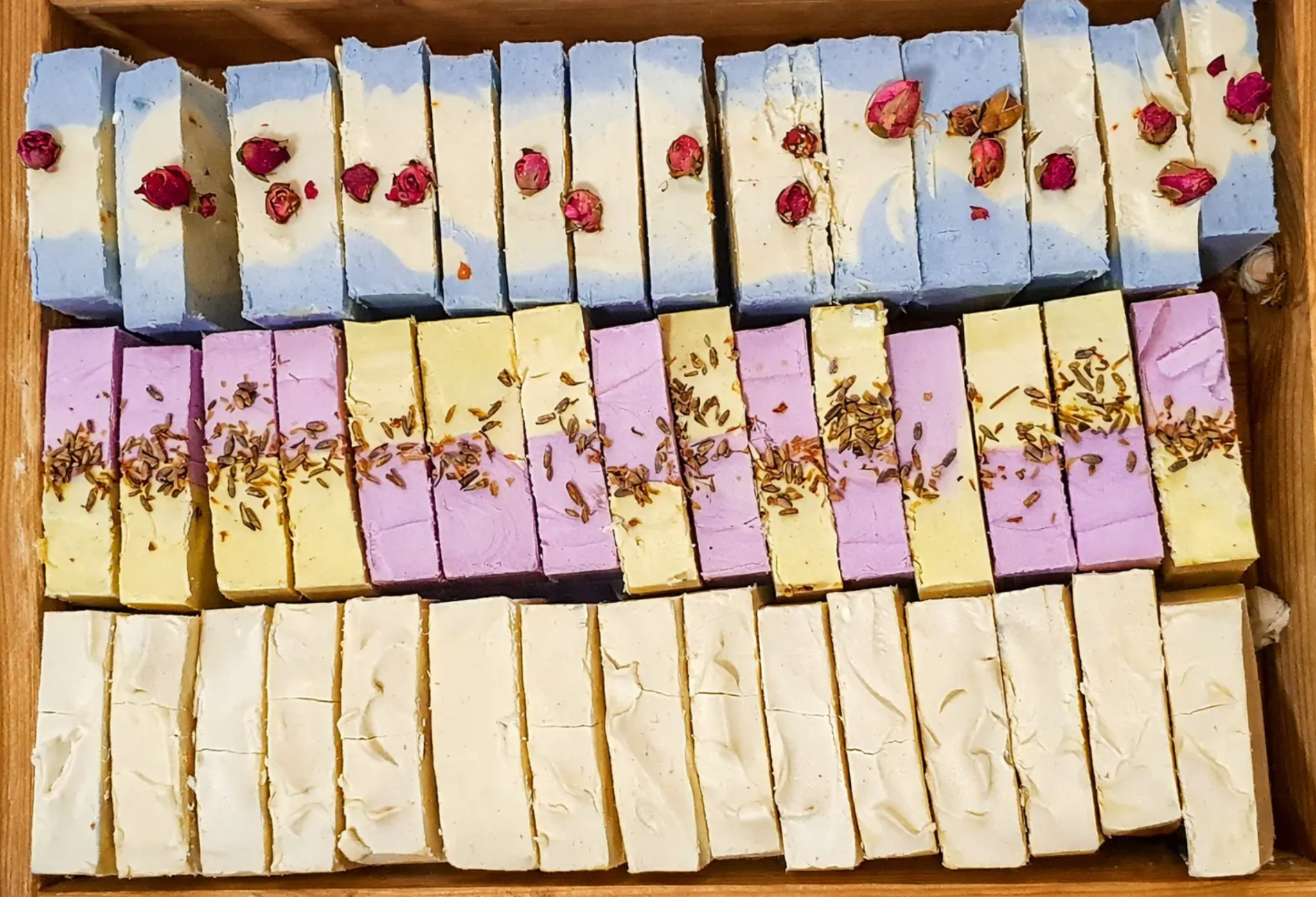
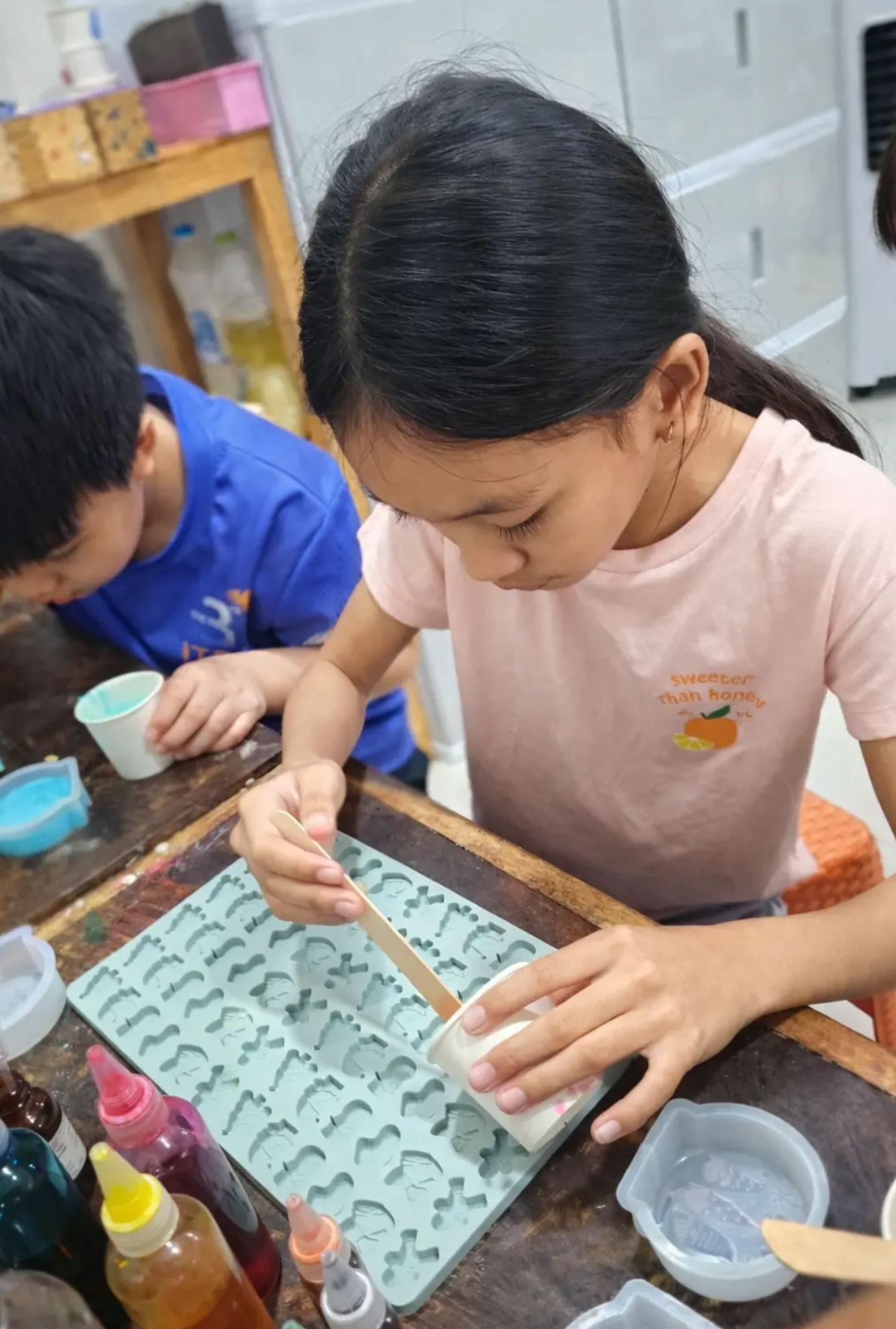
Oils, dried herbs, and essential oil bottles laid out for a soap making workshop
The Workshop as a Sensory Event
Most creative workshops engage the hands and occasionally the eyes. Soap making engages everything.
The oils warm in the bowl and release their scents before you have added anything intentional. Coconut oil has a particular clean sweetness. Olive oil is heavier and older-smelling, something almost Mediterranean. Castor oil is thick and dark and serious. When you blend them together, the smell is already a decision you are making about what kind of thing you are going to create.
Then the herbs arrive. Dried flowers, botanical powders, plant-based pigments that will colour the finished bar. You press your fingers into them before you add them. You smell them on your hands. The lavender or the turmeric or the lemongrass that lives in the hills above Chiang Mai, dried and ground and waiting to become part of something you will use.
The essential oils come last, before the trace. A few drops that change the character of the whole mixture. You choose them by smell, testing one against another on the inside of your wrist, noticing what happens in your body when a particular scent arrives. This is not a theoretical choice. It is a sensory one. Your nose knows what it wants before your mind has formed an opinion.
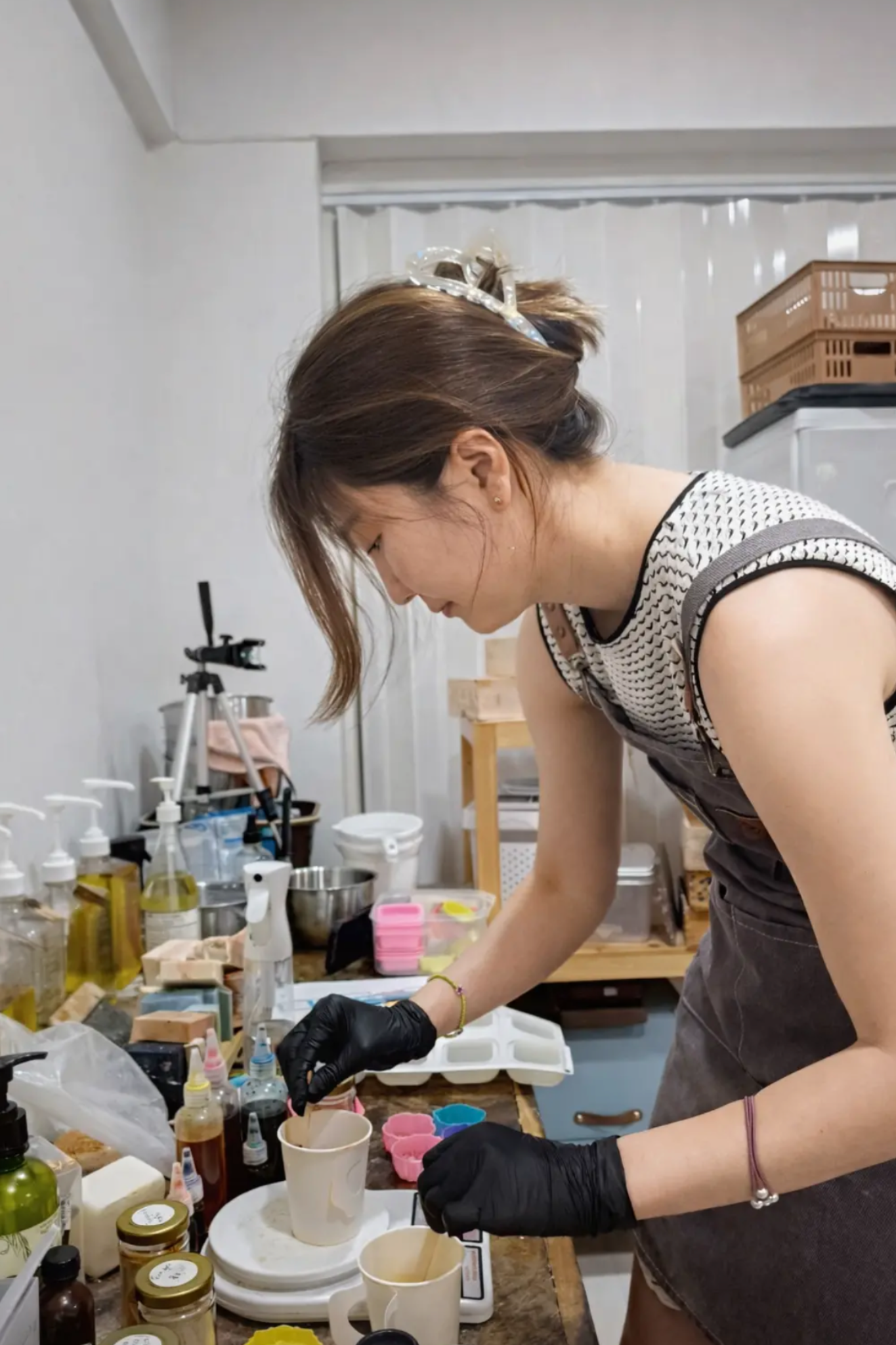
By the time the soap reaches trace, you have been in full sensory contact with it for the better part of an hour. You have smelled everything. You have touched everything. You have watched it transform from separate ingredients into a single coherent thing. Your hands are coated with oils and the particular warmth that comes from working with materials that are alive in some basic, chemical way.
Nothing in your mind is doing anything other than paying attention to what is in the bowl.
Three Ways Into the Craft
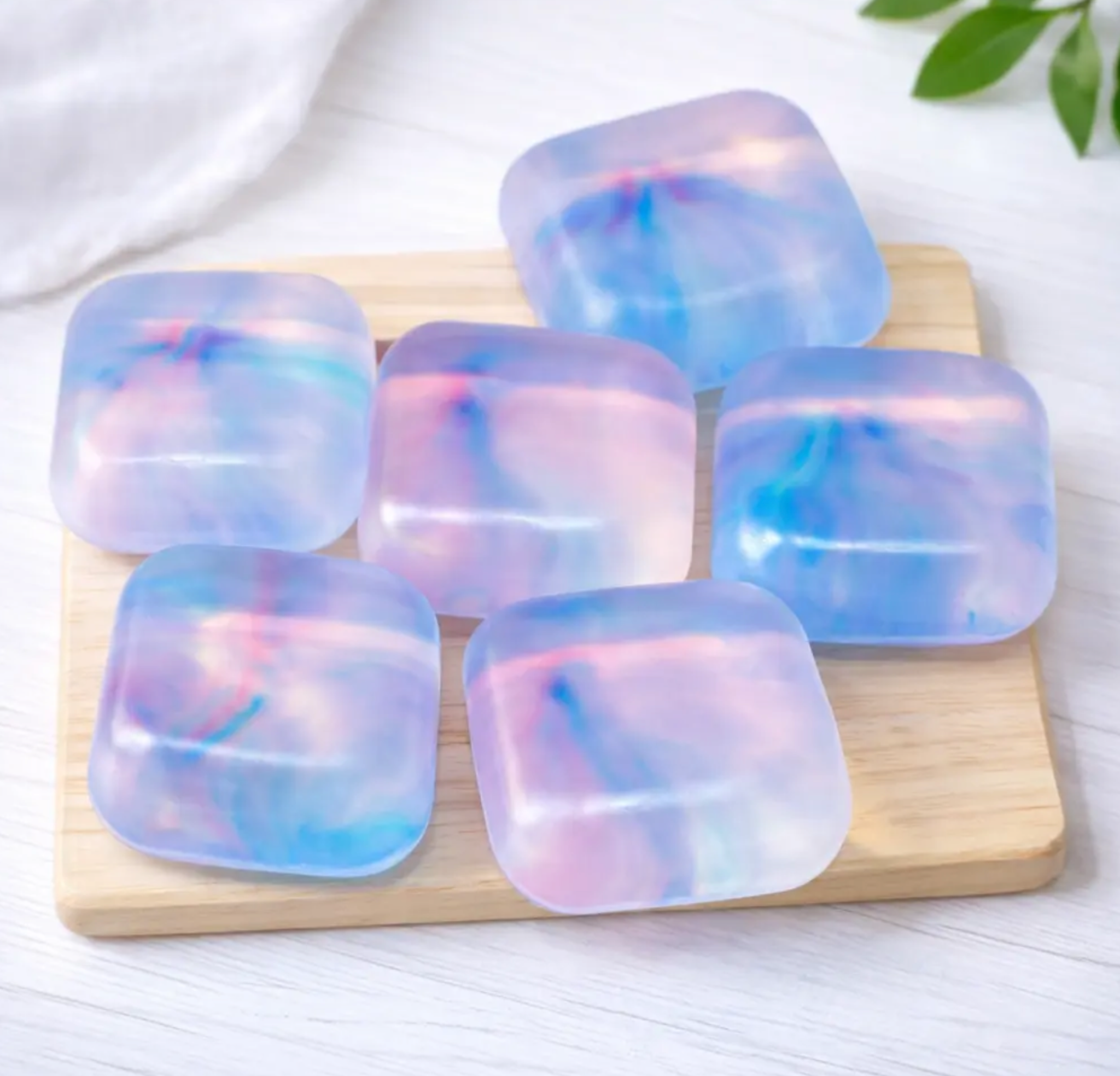
The workshops in Chiang Mai approach soap making at three distinct levels, each offering a different depth of experience.
The entry point is the Quick Melt and Pour Workshop, a ninety-minute session that strips the process to its most accessible form. You melt a prepared base, add colours and scents and botanicals, pour it into a mould, and watch it set. The chemistry is happening, but gently. The learning curve is low enough that you spend most of the time making decisions about what the soap will smell like and look like, which turns out to be more absorbing than it sounds. You leave with finished bars the same day.
The middle path is the Personalized Cold Process Workshop, where the real transformation begins. Cold process soap making starts with actual oils and lye: this is the method that has been used for centuries, the one that produces soap through a chemical reaction rather than a shortcut. You choose your oil blend, you choose your herbs and scents, you work through saponification from the beginning. The soap you pour at the end of the session needs several weeks to cure before it is ready to use, which means the finished bar arrives home with you carrying a timeline. You made it in Chiang Mai. It finished becoming what it is somewhere over the ocean.

The deepest level is the Advanced Cold Process Masterclass, where the art and the science converge. You learn to design your own recipe from scratch: which oils produce which lather qualities, how herbal ingredients interact with the saponification process, how to balance a formula so that the finished soap does exactly what you intended. You leave not just with soap but with the knowledge to make it again at home, to your own specifications, from ingredients you choose.
What Saponification Feels Like
There is a word for what happens when oil and lye combine : saponification. The term comes from the Latin sapo, meaning soap, and the process has been used for centuries, dating back to ancient civilisations. At its core, it is a chemical reaction in which fats or oils react with a strong base to produce soap and glycerin. The experience of watching it happen in your own hands is something else entirely.
The word sounds clinical. The experience is not.
When you watch the mixture thicken toward trace, you are watching chemistry happen in real time. The molecules are rearranging themselves while your hands hold the bowl. This is not a metaphor. This is physics and chemistry operating at a scale you can see and touch and smell.
There is something about being present to this that changes the quality of your attention. The rational mind, which is very good at producing thoughts about the past and the future and all the things that are not happening right now, does not know what to do with active chemistry. It goes quiet. The senses take over. And for the duration of the workshop, the only thing that exists is the bowl, and the oils, and the particular moment when something becomes something else.

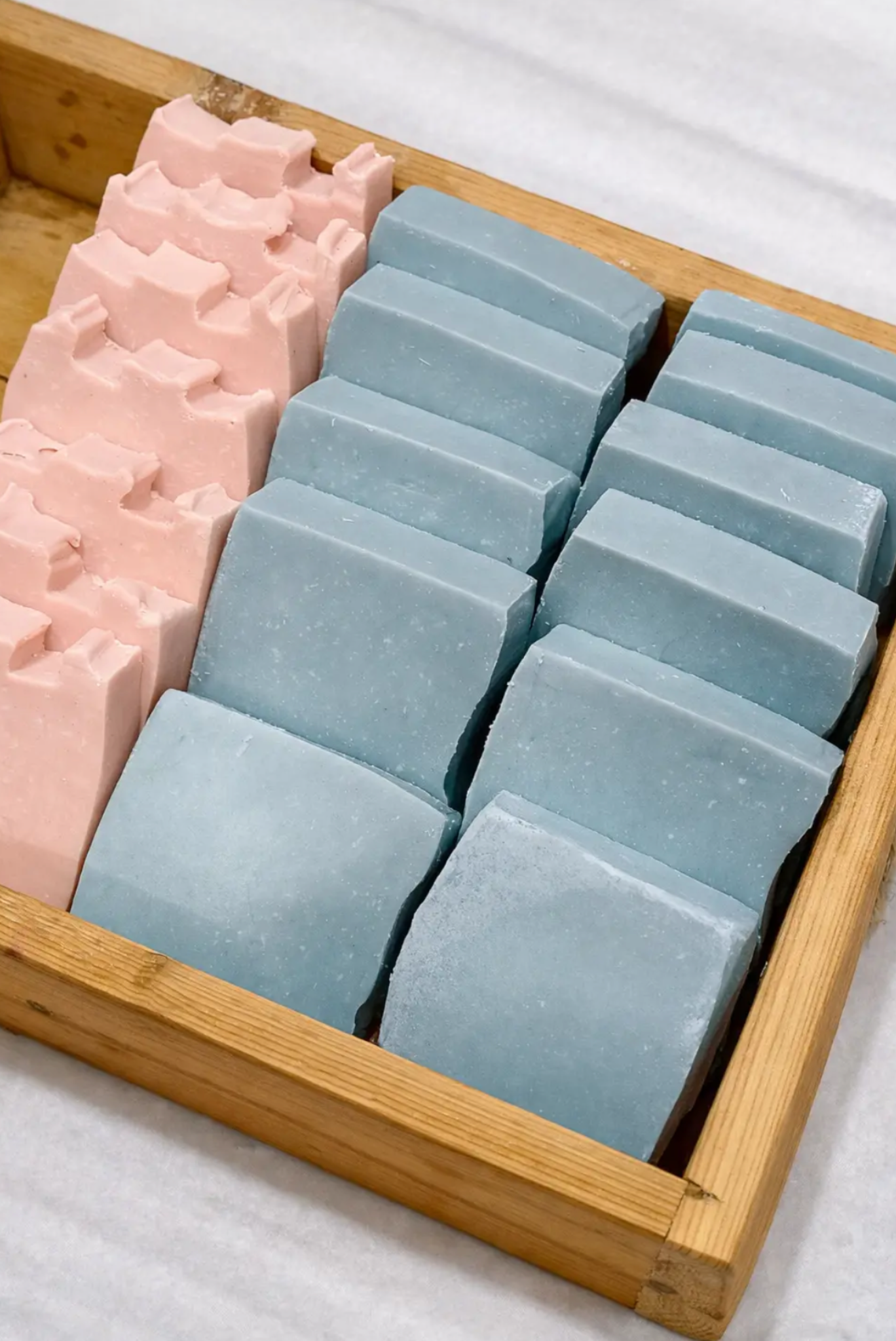

Hand stirring a soap mixture with a stick blender during saponification
The Particular Wisdom of Northern Thai Plants
Chiang Mai sits inside one of the most botanically rich regions in Southeast Asia. The mountains above the city, the Mae Taeng valleys, the highland forests that stretch toward the borders with Myanmar and Laos, all of them hold plant species that have been used in northern Thai wellness traditions for centuries.
Turmeric, which grows in the lowland gardens around the city, produces a golden soap that has been used for skin care in Thailand for generations. Roselle, the deep red hibiscus flower that grows in the markets and gardens of the north, gives a particular colour and a particular acidity that changes the skin feel of the finished bar. Lemongrass, which is in the air everywhere in Chiang Mai if you pay attention to it, brings a sharpness that cuts through everything else and leaves its own kind of clean.
Using these ingredients in a soap workshop is not an exotic add-on. It is the most direct available connection between what grows in the landscape around you and what you are making with your hands. The plants become part of the object. The object carries a memory of the place.
What You Take Home
The obvious answer is soap. A bar or several bars, wrapped carefully, tucked into your luggage, surviving the journey home.
But that is not quite the complete answer.
You also take home the knowledge that your hands now hold. The understanding of how oils behave, how scents layer, how botanical ingredients change a mixture. The memory in the fingers of what trace feels like when you hit it for the first time. The specific calm that settled into the room while the chemistry was doing its work.
Cold process soap takes three to four weeks to cure fully after the workshop. Which means that at some point in the weeks after you return, a package of dried soap bars will finish becoming ready, and you will use one in the shower one morning, and the smell will be immediate and specific, and you will be briefly back in the room where your hands were coated with warm oils and something was just beginning to thicken in the bowl.
Memory works through the senses. Soap, which you hold and smell every day, is one of the most reliable carriers of sensory memory that exists.
Your hands knew what soap was before your mind did. And now they will not forget.

Practical Notes
The three workshops are available at different price points and durations. The melt and pour session runs ninety minutes at $21 per person. The personalized cold process workshop is $26. The advanced masterclass is $71 and covers recipe design alongside the full cold process method.
All three require provider approval before confirmation, so book at least a day in advance. Materials are provided. The herbs and botanicals used are locally sourced from the Chiang Mai region. Cold process soaps cured during the workshop take several weeks to finish and can be transported home once wrapped.
FAQ
What is the difference between melt and pour and cold process soap making ? Melt and pour uses a pre-made soap base that you melt, customise with colours and scents, and pour into moulds. It is fast and accessible. Cold process starts from raw oils and lye, involves an actual chemical reaction, and produces a more complex and customisable soap that requires curing time before use.
Will the soap be ready to use before I leave Chiang Mai ? The melt and pour soap sets quickly and can be used or packed the same day. Cold process soap requires three to four weeks of curing time, so it will finish becoming soap after you return home.
Can I choose what goes into my soap ? Yes. The personalized cold process workshop is built around your choices: which oils, which herbs, which scents, which colours. The advanced masterclass goes further and teaches you to design the formula itself.
Is soap making safe ? I have heard lye is dangerous. Lye is handled carefully in the workshop and the instruction covers safety throughout. The finished soap contains no active lye: the saponification process uses it completely in the chemical reaction. Participants have been making cold process soap safely in workshops like this for decades.
Can I bring the soap home in my luggage ? Yes. Once wrapped, soap travels well. Cold process soap that is still curing should be wrapped loosely to allow air circulation. The workshop provides guidance on packing.