
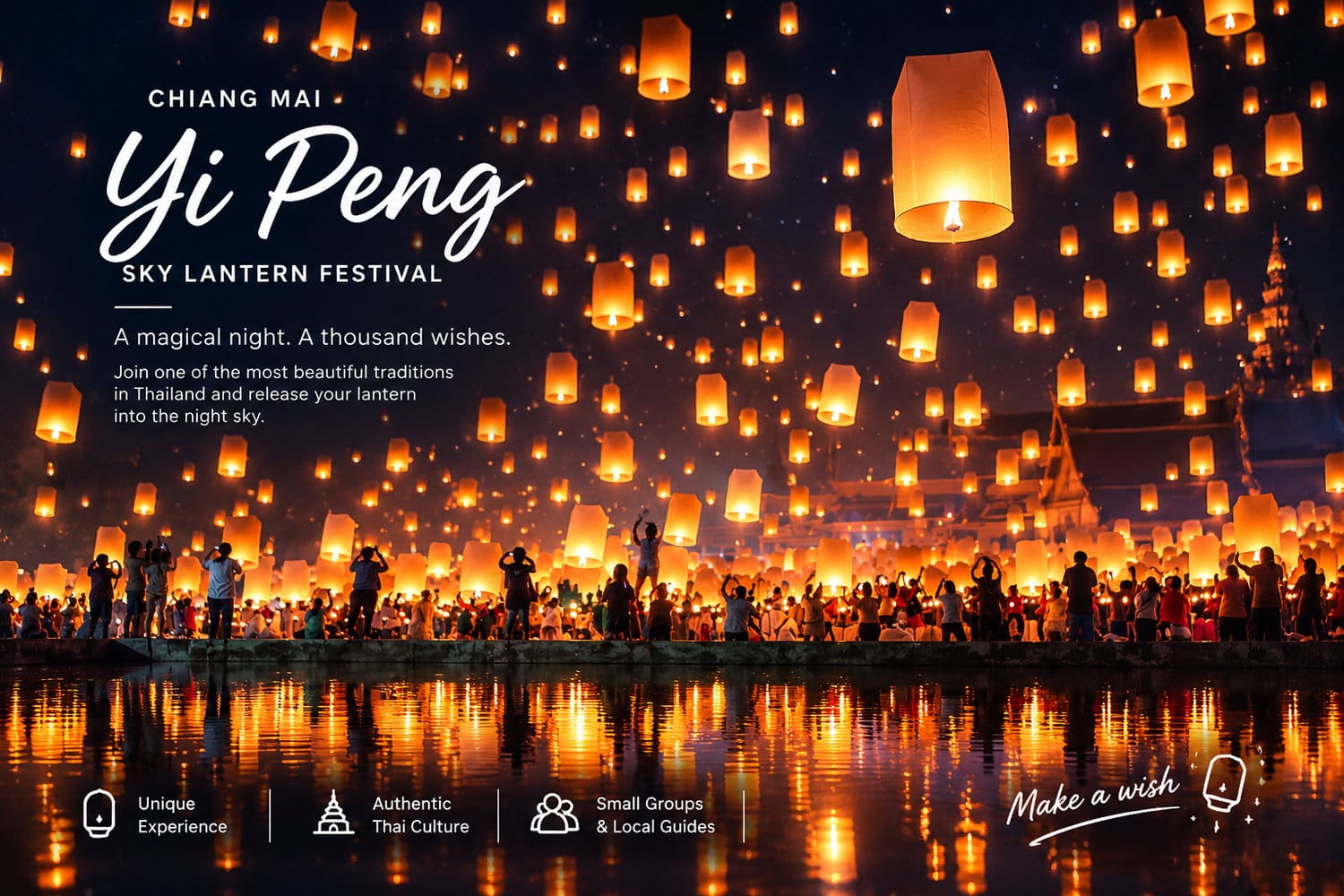
Once a year, the Mae Ping River fills with small floating lights and the sky over Chiang Mai lights up with lanterns drifting slowly toward the stars. That's Loy Krathong, one of Thailand's most anticipated festivals, and for many travelers Chiang Mai is where it feels most alive. Here's everything worth knowing before you go: where the tradition comes from, when it falls in 2026, and where to be in the city to catch the best of it.
What is Loy Krathong? The origins of a centuries-old festival
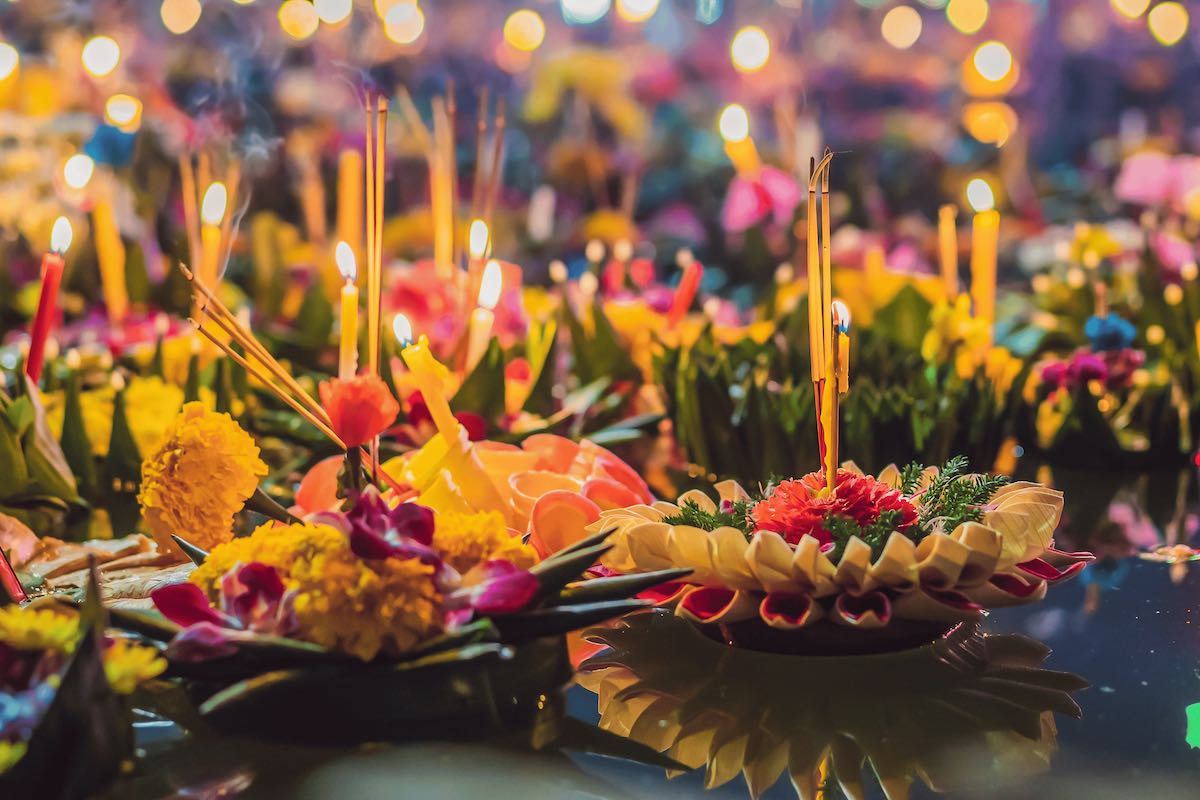
Loy Krathong literally means "to float a krathong," the small raft traditionally made from a section of banana trunk and decorated with flowers, candles and incense sticks. The tradition is believed to date back to the Sukhothai kingdom in the 13th century, when people paid tribute to Phra Mae Khongkha, the goddess of water, asking forgiveness for polluting the rivers and giving thanks for the water that feeds the rice fields.
Every year, on the full moon of the twelfth month of the Thai lunar calendar, people set their krathong afloat. The gesture carries a double meaning: symbolically letting go of the past year's troubles and grudges, and making a wish for the year ahead. It's both a spiritual and a festive occasion, with ceremonies held at temples while riverbanks turn into open-air street fairs.
Loy Krathong vs. Yi Peng: what's the difference?
The two names are often mixed up, even by travelers coming back from Thailand. Loy Krathong is the national festival, celebrated all over the country along rivers and canals. Yi Peng, on the other hand, is specific to northern Thailand and Lanna culture: it's the release of sky lanterns (khom loi), those rice-paper balloons lit with a small flame and let go into the night sky. Chiang Mai is the only major city where both festivals happen at the same time, which is a big part of why it draws so many visitors during this period.
When is Loy Krathong in Chiang Mai in 2026?
The date shifts every year because it follows the Thai lunar calendar. In 2026, Loy Krathong night falls on Tuesday, November 24, the full moon of the twelfth lunar month, with festivities generally spread over three days, from November 23 to 25. During that window, traffic in the city slows to a crawl while the atmosphere picks up everywhere else: markets, processions, light shows and lantern releases follow one another every evening.
The detailed programme is published late. Parade routes and ceremony times are confirmed by the province and the Chiang Mai tourism office only a few weeks ahead, so check them again in October. For ticketed events held outside the city, such as large group lantern releases, booking several weeks ahead is almost always necessary. These are usually the first slots to sell out.
Why Chiang Mai over other destinations in Thailand
Loy Krathong is celebrated across the whole country, but Chiang Mai has a few things going for it that other destinations don't.
First, there's the double festival mentioned above. In Bangkok or the south, you float krathongs on canals and along the Chao Phraya, but you won't see lanterns rising into the sky. In Chiang Mai, both happen together, and the old city, ringed by its moat and ancient walls, offers a backdrop few other Thai cities can match.
Then there's the human scale of the city. Unlike Bangkok, where the festival gets diluted across a sprawling capital, Chiang Mai concentrates most of its energy in a compact old town that's largely walkable. You can go from a candlelit temple to a night market and then to the riverbank in a single evening.
Finally, Chiang Mai keeps a strong connection to Lanna culture, the very tradition that gave rise to Yi Peng in the first place. Temple ceremonies, processions and street decorations here feel more rooted in local life than in Sukhothai, which, despite being the festival's historical birthplace, now leans more toward its big sound-and-light show than everyday community life.
Where to go in Chiang Mai during Loy Krathong
The Mae Ping River and Nawarat Bridge
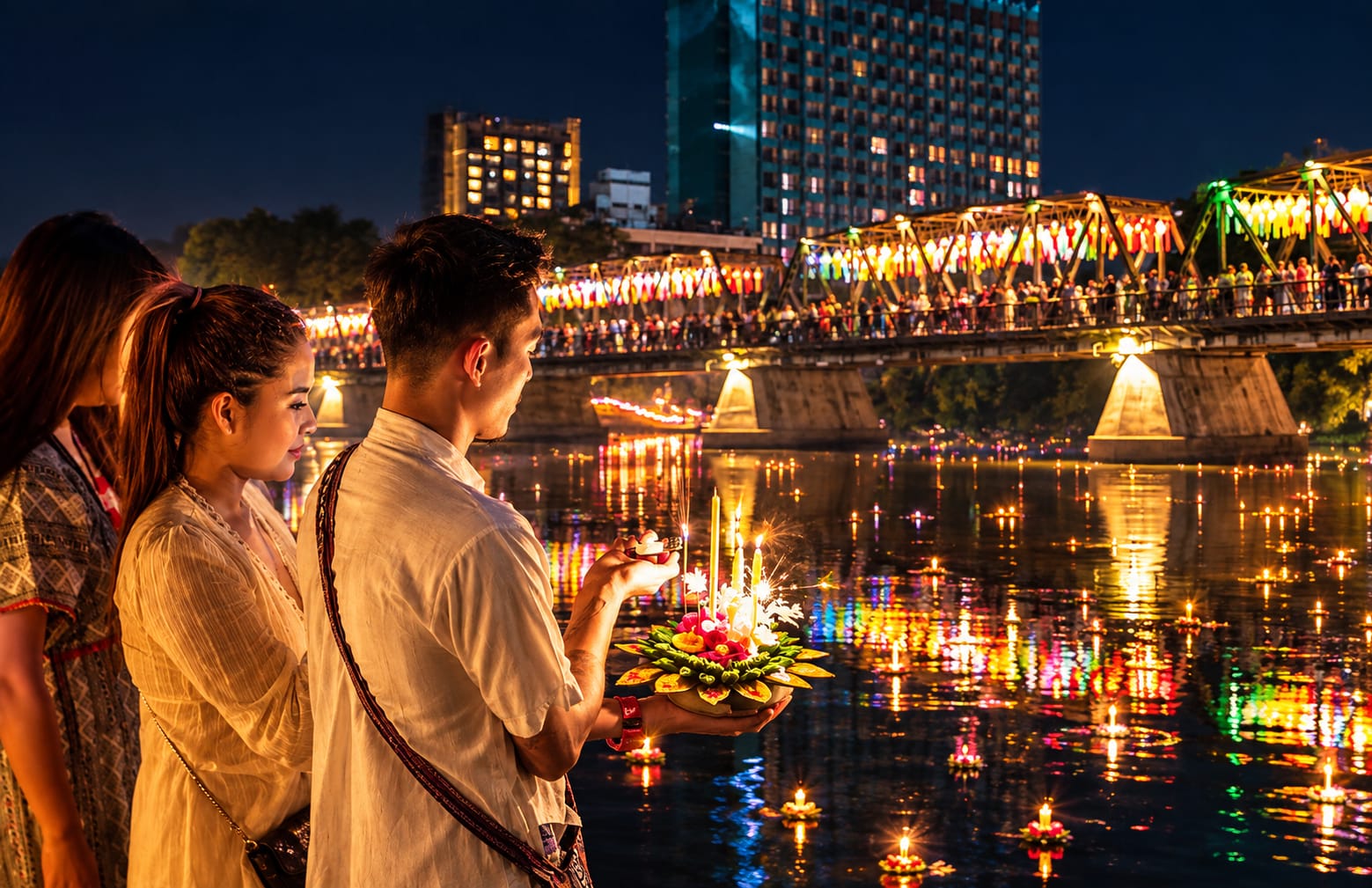
This is the heart of the festival. The banks of the Mae Ping, especially around Nawarat Bridge and the Iron Bridge, fill up from dusk with krathong vendors, food stalls and families coming to set their raft afloat. Fireworks launched from the river are visible from a good distance on full moon nights.
The old city and Tha Phae Gate
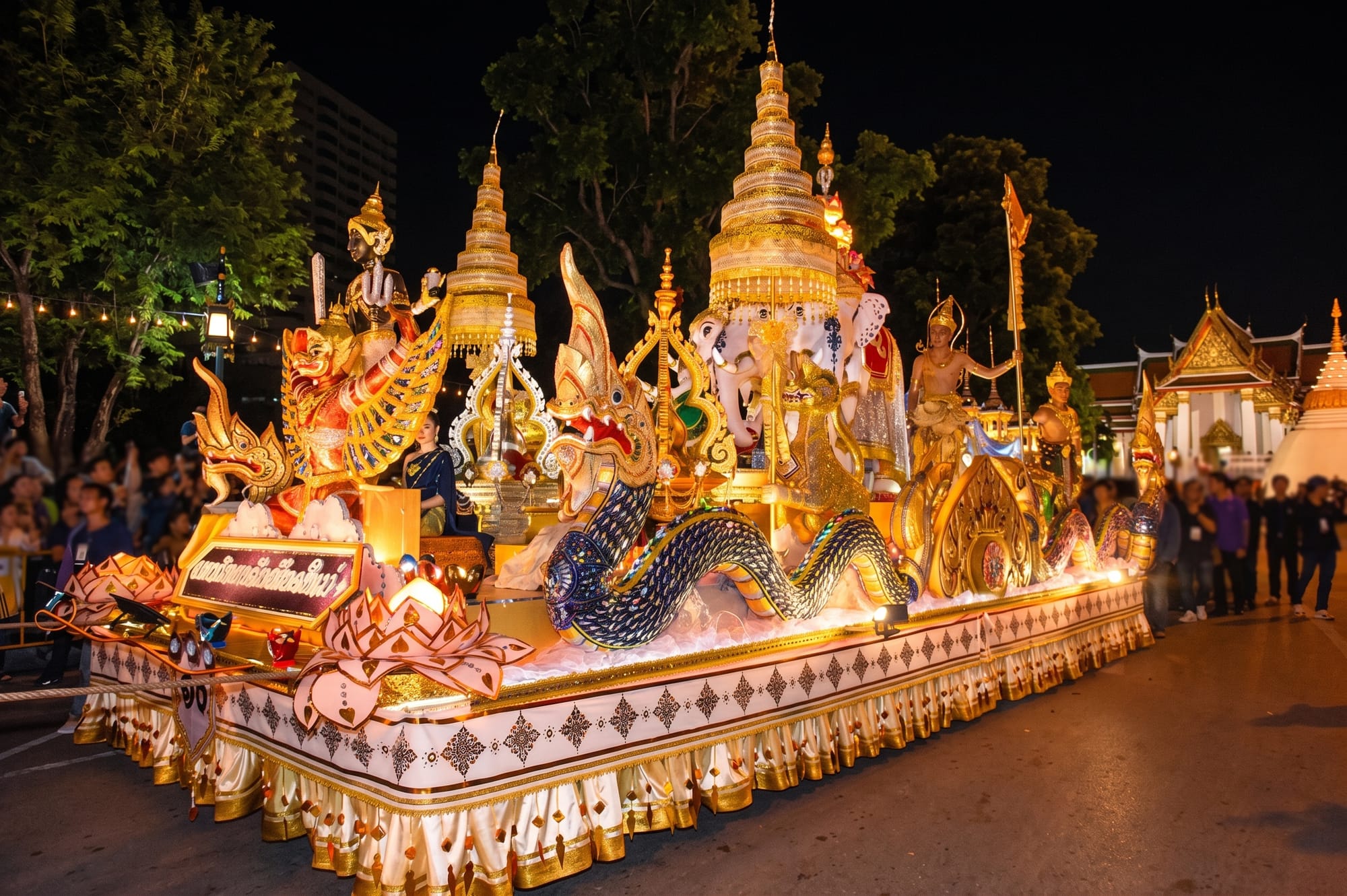
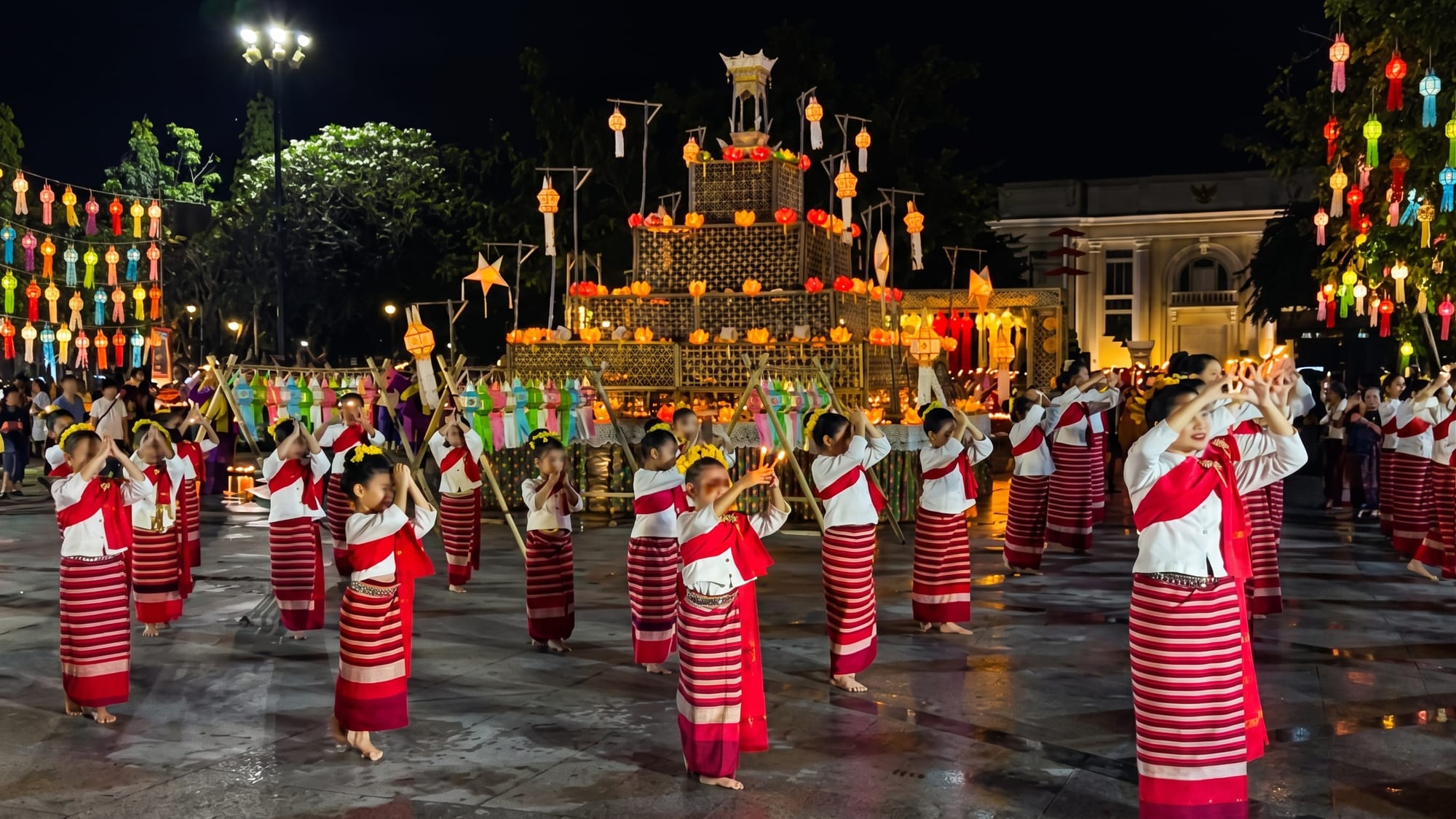
Inside the city walls, the moat surrounding the old town also fills with light. Tha Phae Gate naturally becomes a gathering point, often with traditional dance performances and pop-up stalls all around. On the last night of the festival, the grand krathong parade sets off from here and moves through the old city.
Wat Phan Tao and the illuminated temples
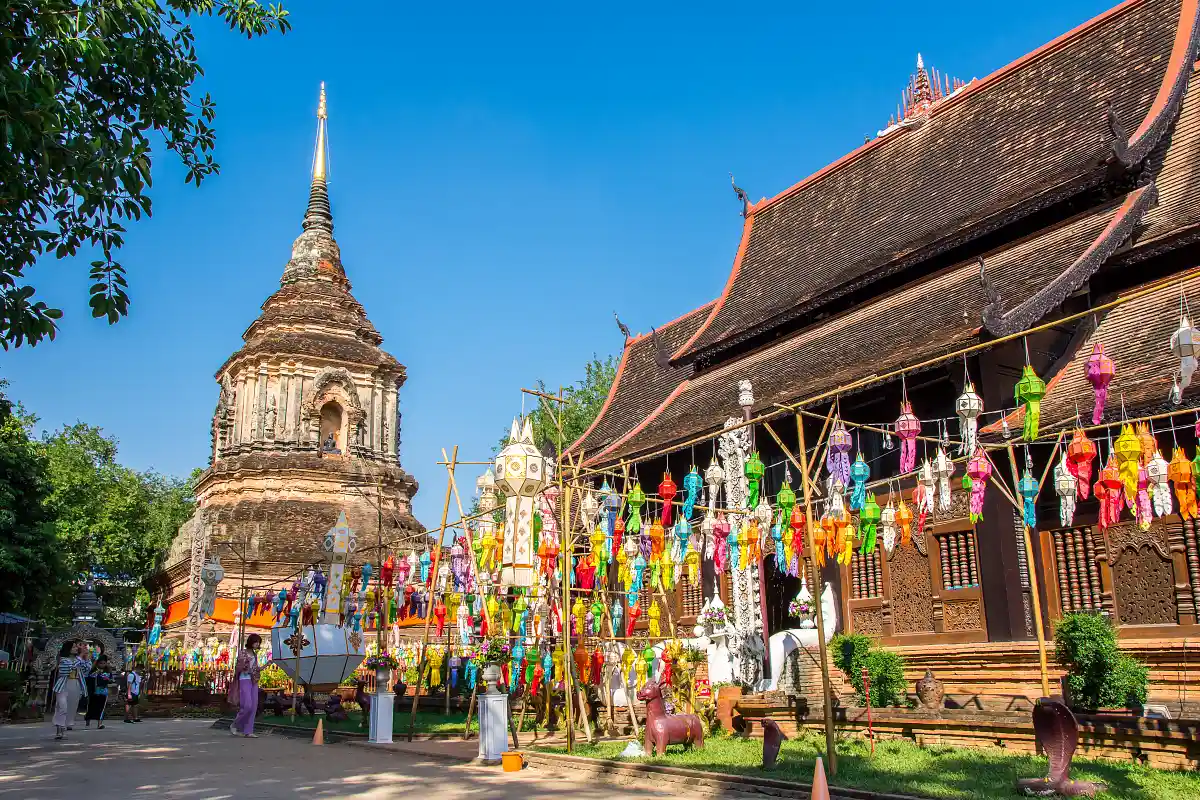
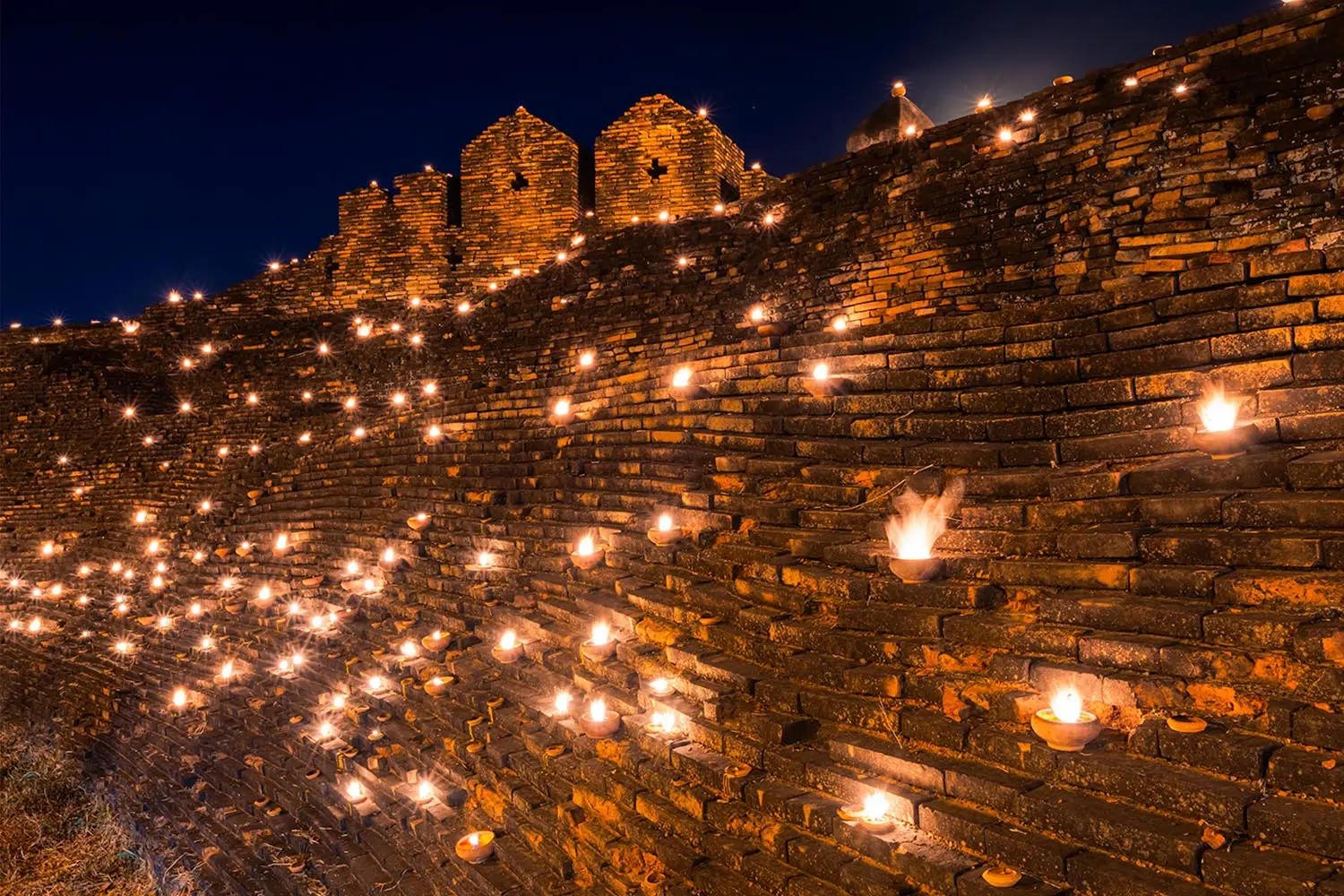
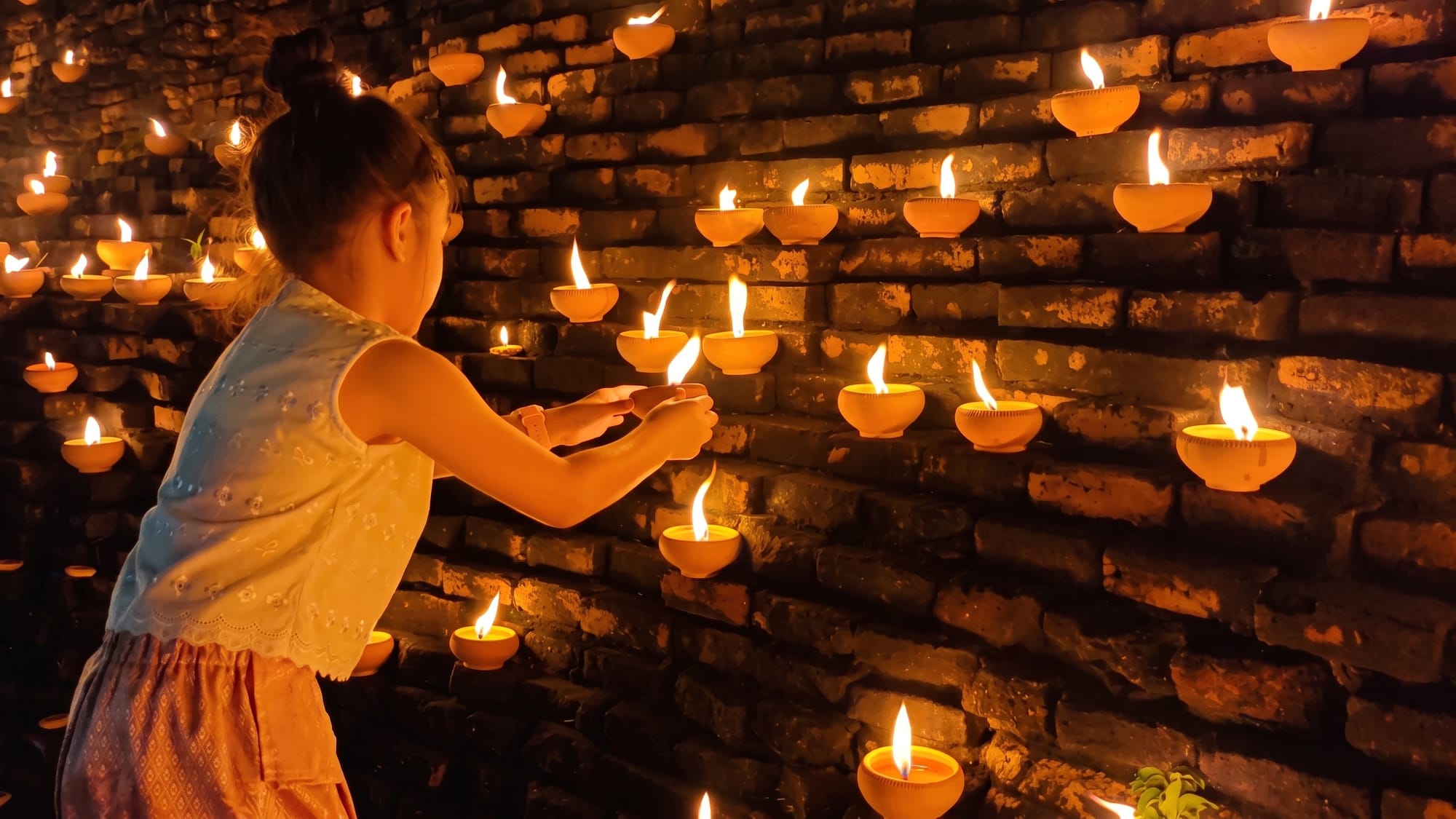
Some temples, like Wat Phan Tao with its entirely teak-wood structure, set out hundreds of candles around their stupas and pagodas for the occasion. It's one of the most photogenic moments of the festival, and a much quieter one compared to the buzz along the riverbanks. What most visitors miss is the meaning behind the offerings they're photographing, which is why walking these same temples with a former monk the day before changes how the evening reads.
Doi Saket, for your own lantern release
Downtown Chiang Mai stays packed during these three nights, and sky lantern releases are actually restricted there for air traffic safety reasons. To properly release a khom loi, most locals and event organizers head out of town toward Doi Saket, where open fields and surrounding hills make it possible to do so safely. That's exactly what the Lanna Lantern Sky Festival in Doi Saket offers: an evening set away from the crowds, with transport, ceremony and a lantern release included, in a setting where you can actually take your time watching the sky fill with light instead of pushing through a crowd.
Practical tips for Loy Krathong in Chiang Mai
- Accommodation: book as early as possible, ideally months ahead. Hotels in the old town and near the river fill up first, and prices climb noticeably during the festival period.
- Getting around: traffic gets difficult downtown on festival nights. Stick to walking within the old city, and allow plenty of extra time if you need to reach a site outside Chiang Mai, such as Doi Saket.
- What to wear: late-November nights are cooler than the rest of the year in Chiang Mai, with evening temperatures sometimes dropping below 20°C (68°F). According to climate data from WeatherSpark, this actually marks the start of the most pleasant season to visit the city, something we cover in detail in our month-by-month guide to the best time to visit Chiang Mai. A light layer after sunset isn't a bad idea.
- Biodegradable krathongs: choose rafts made from banana trunk and real flowers rather than the styrofoam ones still sold in some places. It's also what local authorities are actively encouraging, given ongoing efforts to keep the river clean.
- Sky lanterns: only release them at authorized sites. The city strictly regulates their use downtown because of air traffic near Chiang Mai International Airport.
Frequently asked questions
Do Loy Krathong and Yi Peng happen on the same day? Yes, in Chiang Mai the two generally coincide on the same nights, around the full moon of the twelfth lunar month. Ticketed Yi Peng lantern release events are usually held on one or two specific evenings, worth checking when booking.
Should I book accommodation far in advance? Yes, ideally several months ahead. It's one of the busiest times of year in Chiang Mai, alongside Songkran in April.
Can I release a lantern anywhere in the city? No. Sky lantern releases are regulated downtown for air traffic safety reasons. Organized events outside the city, such as in Doi Saket, remain the simplest and safest way to release one yourself.
Loy Krathong in Chiang Mai means a river covered in small lights, candlelit temples, and, for those who venture a bit further out, a sky filling with lanterns. The main night falls on November 24, 2026, with festivities starting on the 23rd. If you'd rather release a lantern properly than watch one from a crowded sidewalk, an evening out in the fields beyond the city is still the best way to make the most of it.
Sources: Tourism Authority of Thailand, WeatherSpark Chiang Mai