
Reading time : 6 min | Published : April 16, 2026
The data dropped this morning and it is not close. Agoda, one of Asia's largest travel platforms, has revealed that Chiang Mai has emerged as the top destination in Asia for culinary activities, based on bookings made between January and March 2026. Ohsem Bangkok comes second. Hoi An third. Chiang Mai beat them all.
For anyone who has spent time eating their way through the markets of the old city or sitting in a farmhouse kitchen learning to make khao soi from scratch, this is not a surprise. For everyone else, it is a reason to pay attention.
Why Chiang Mai and Why Now
The ranking did not come from hotel amenities or restaurant Michelin stars. It came from what people actually booked: hands-on culinary experiences. Cooking classes. Food tours. Market visits that end at a stove.
Agoda's 2026 Travel Outlook Report highlights that culinary experiences have climbed into the top three motivators for Asian travelers, jumping from sixth place last year. The Manila Times The shift is significant. Food used to be something that happened around the trip. Now it is increasingly the reason for the trip itself.
Chiang Mai is well positioned to lead this shift for a specific reason. Northern Thai cuisine is not a tourist product that was developed to satisfy outside demand. It is a living culinary tradition with its own distinct logic, its own ingredients, and its own flavour profile that differs substantially from what most people think of as Thai food. Khao soi, the coconut curry noodle soup that is specific to the north. Nam prik noom, the roasted chilli dip that every household makes differently. Sai oua, the herbal pork sausage packed with lemongrass and galangal. None of these dishes are well known outside the region. All of them are worth travelling for.
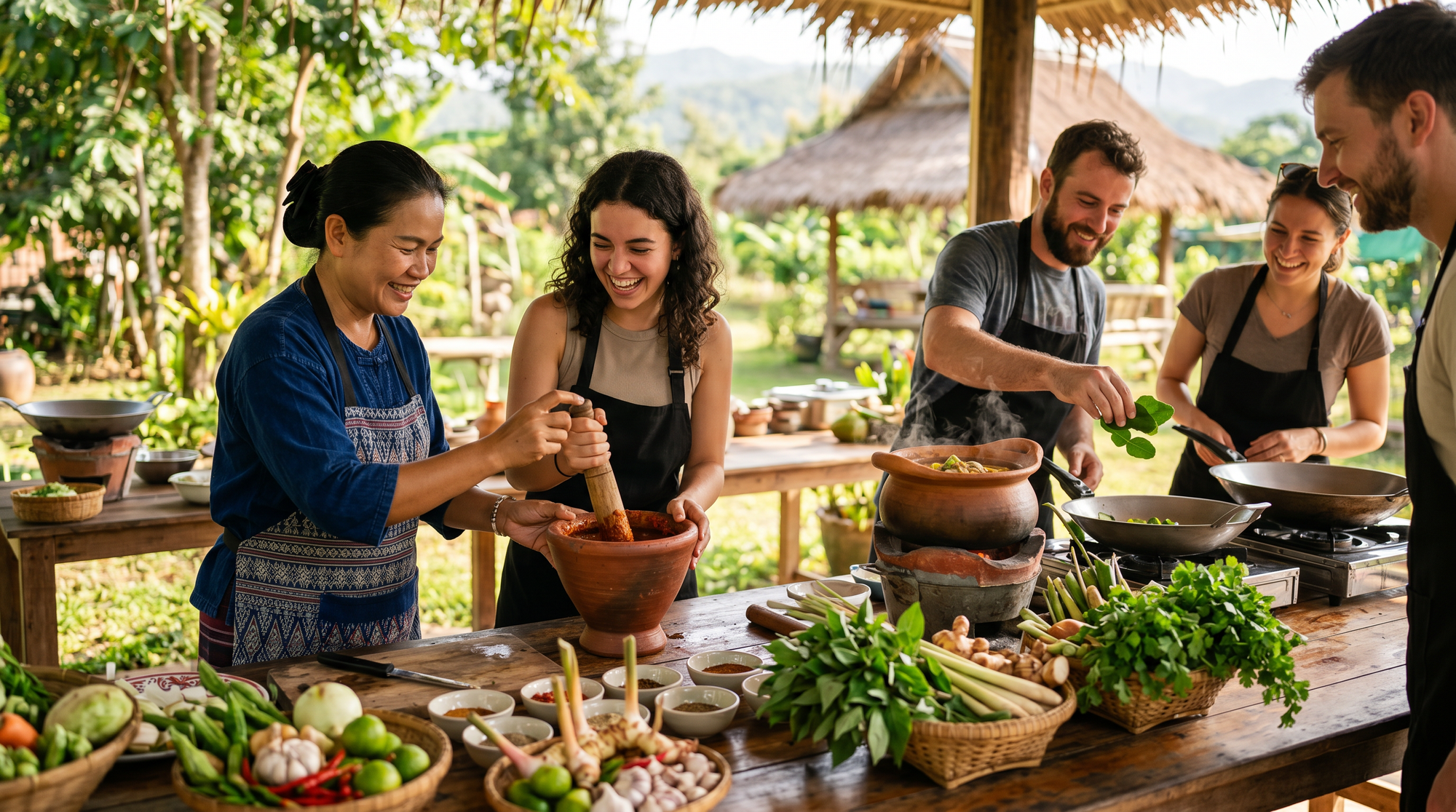
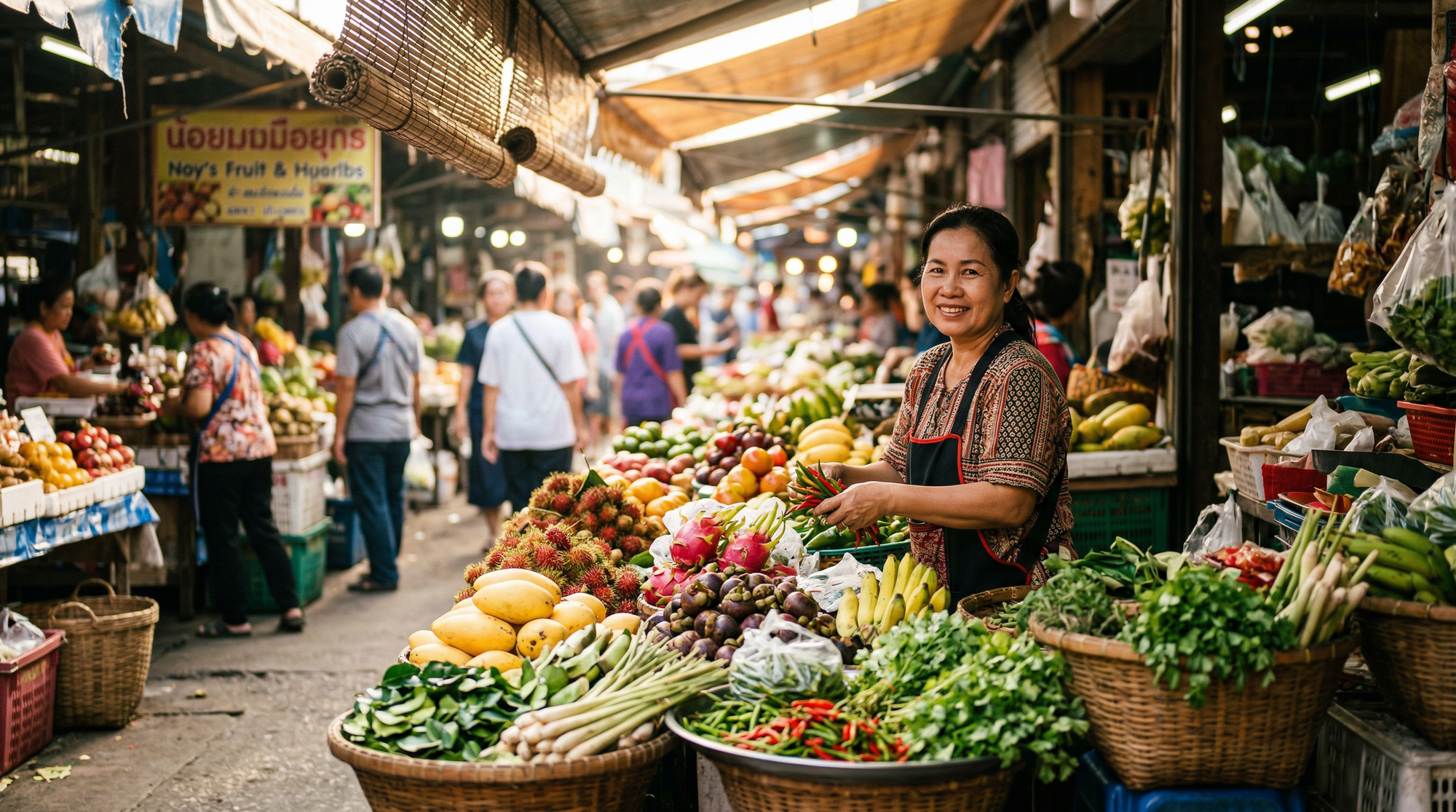
The cooking class format works here because the ingredients are real and local. Most Chiang Mai cooking experiences begin at a market, where you buy what is in season before you learn to prepare it. The knowledge is not abstracted from the source. You understand where the food comes from because you were just standing next to it.
What the Top Ranking Actually Means for Visitors
Practically speaking, the Agoda ranking reflects something that has been building for years: Chiang Mai has more high-quality, accessible culinary experiences than almost any comparable city in Southeast Asia.
The range is also part of it. You can spend a morning learning to make three Northern Thai dishes in a family home. You can spend an afternoon in an herbal workshop blending medicinal tea from plants that have been used in northern Thai healing traditions for centuries. You can do a street food walking tour of the old city in the evening and cover flavours you would never find in a restaurant.
For visitors planning a trip around food, Chiang Mai now has the data to back what locals already knew. The city is one of the best places in the world to eat, and more importantly, to understand what you are eating and why it tastes the way it does.
Where to Start in Chiang Mai
The most direct entry point is a cooking class that takes you to a market first. The combination, market in the morning, kitchen in the afternoon, gives you the full picture of how northern Thai cuisine works from ingredient to dish. The Thai cooking experiences available through Guidestination range from farm-based half-day sessions to longer immersive formats depending on how much time you have.
For something less expected, the herbal tradition of northern Thailand runs parallel to the food culture and is worth exploring on its own terms. The Thai herbal wellness workshops cover herbal tea blending using traditional northern Thai plants including ginger, pandan, and butterfly pea flower. The knowledge behind a cup of northern Thai herbal tea is as deep and specific as the knowledge behind a bowl of khao soi. Both are worth understanding.
The Bigger Picture : Food as a Reason to Travel
The Agoda data points to something that chefs and food writers have been saying for years but that mainstream travel culture is only now catching up to: the food of a place is one of the most efficient ways to understand it.
A cooking class in Chiang Mai teaches you more about northern Thai history, agriculture, community, and identity in three hours than most temple visits do in a full day. You learn why the north uses dried spices differently from the south. You understand what galangal does that ginger cannot. You go home knowing how to make something that carries the flavour of a specific place in a way that no photograph can replicate.
Chiang Mai's position as Asia's top culinary destination was earned through its authentic offerings, food-focused experiences, and immersive cooking classes Travel And Tour World — not through marketing. That distinction matters. The city did not become number one because it tried to. It became number one because the food was already there.
FAQ
Why is Chiang Mai ranked higher than Bangkok for culinary experiences ? The ranking is based on bookings for hands-on culinary activities, not restaurant quality or food scene reputation. Chiang Mai's strength is in accessible, immersive cooking experiences, market tours, and farm-based classes that allow visitors to participate rather than just consume. Bangkok leads on dining but Chiang Mai leads on doing.
What makes northern Thai cuisine different from the Thai food I know ? Northern Thai food is earthier, less sweet, and relies more on dried spices, fermented ingredients, and fresh herbs than central Thai cuisine. Sticky rice replaces jasmine rice. The curries are drier. Dishes like khao soi, nam prik noom, and sai oua are specific to the north and not widely found elsewhere in Thailand.
Is it worth doing a cooking class if I already cook at home ? Particularly so. The gap between knowing how to cook and understanding why northern Thai food tastes the way it does is where the cooking class earns its value. The market visit, the local ingredients, and the context that comes with learning from someone who grew up with this food produce knowledge that cookbooks cannot replicate.
What is the best time of year to visit Chiang Mai for food experiences ? Year-round. The cool season from November to February is the most comfortable for outdoor market visits. The rainy season from June to October brings the best produce and the greenest landscapes. Avoid March for air quality reasons if possible.