
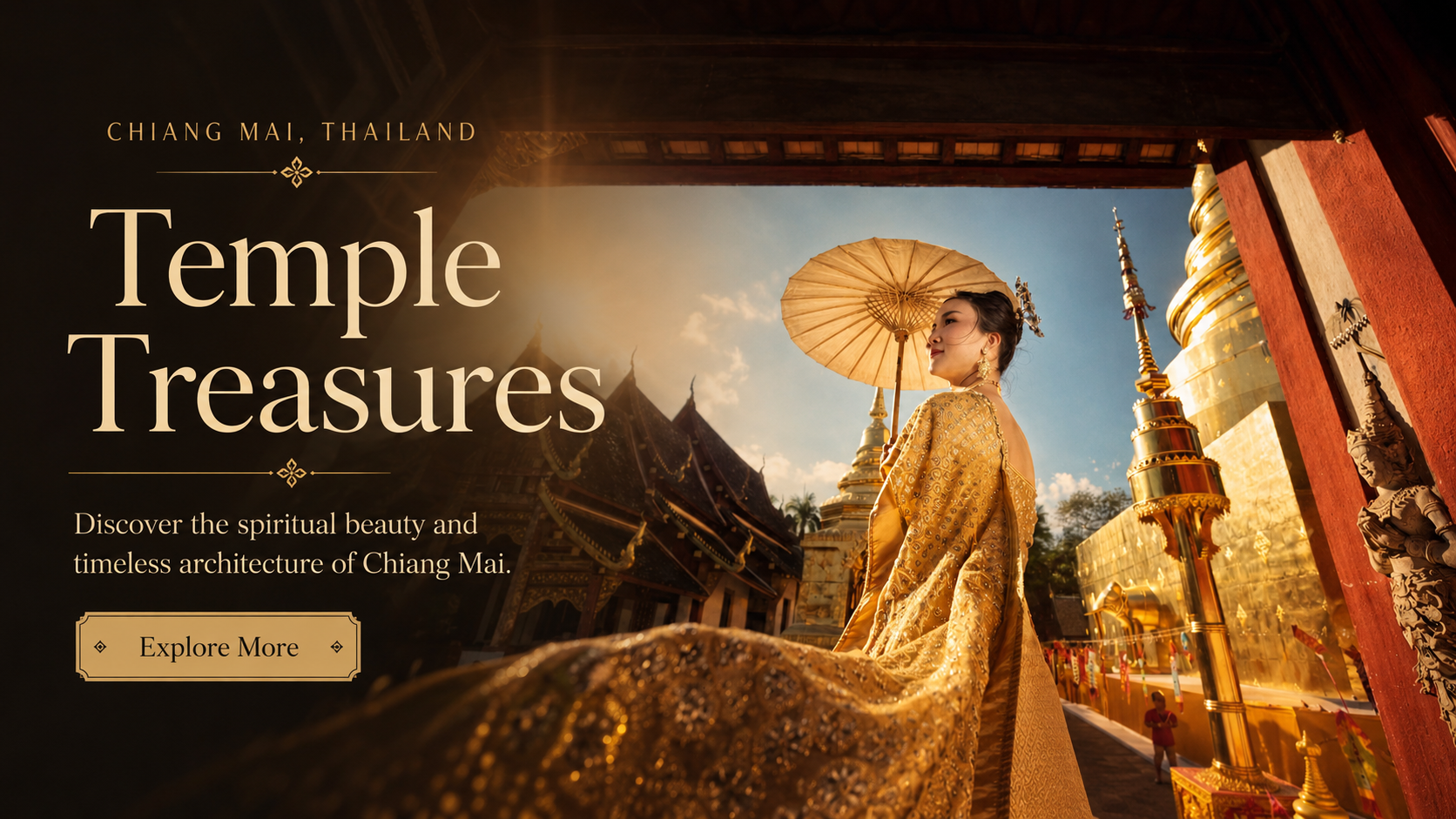
Chiang Mai has over 300 temples. That's not a number you can process. It also doesn't help you decide which ones to visit when you have 3 to 5 days in the city and a limited tolerance for the same incense smell.
So here's our approach. We picked 10 temples worth your time, ranked by what they actually offer (not by Instagram fame), and added the ones tourists usually miss but locals love. We also tell you which to skip if you only have one morning.
This is a guide written by people who live here. Not a Lonely Planet listicle. Some of these temples are world-famous, others you won't find in any guidebook. All of them earn their spot.
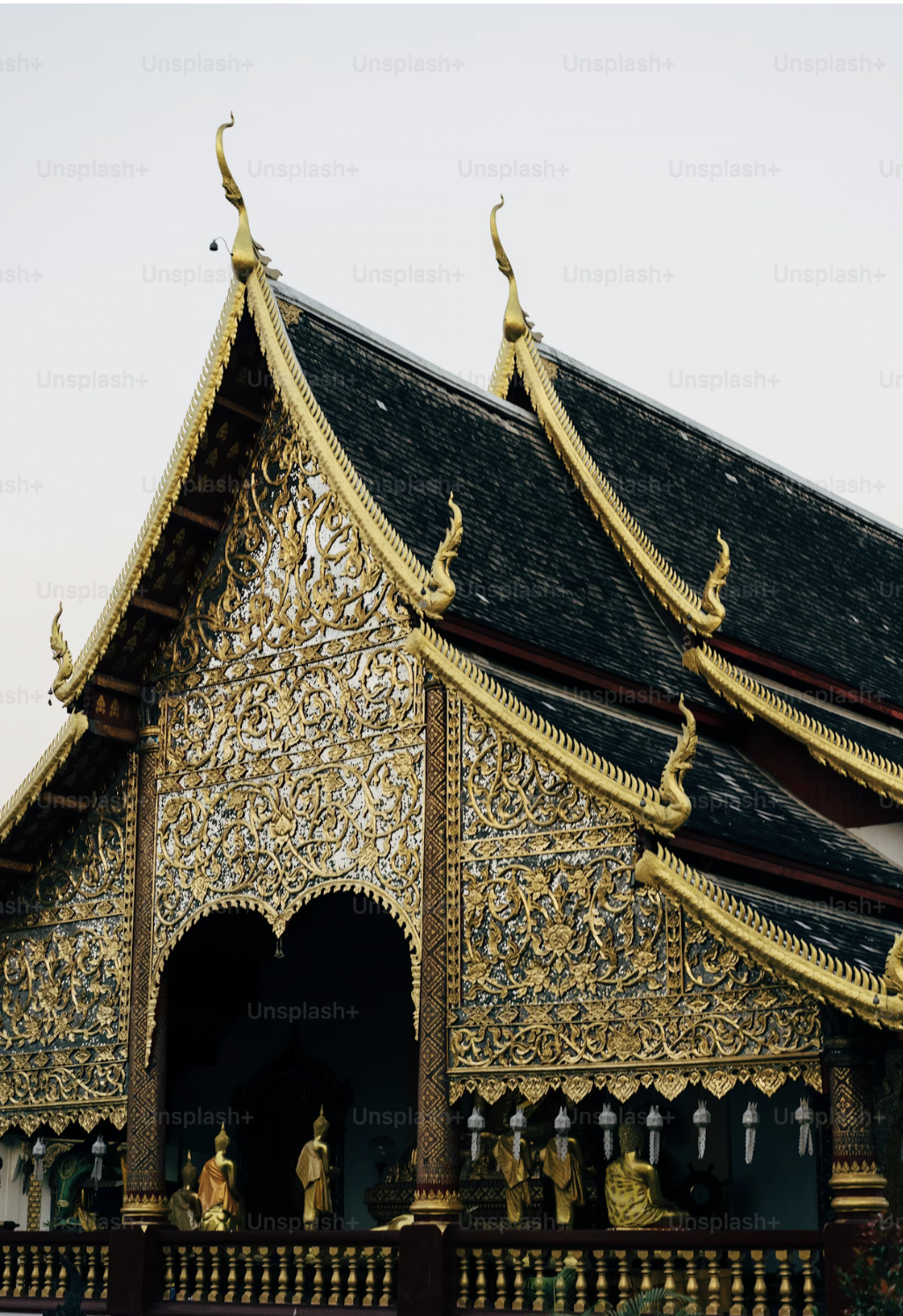
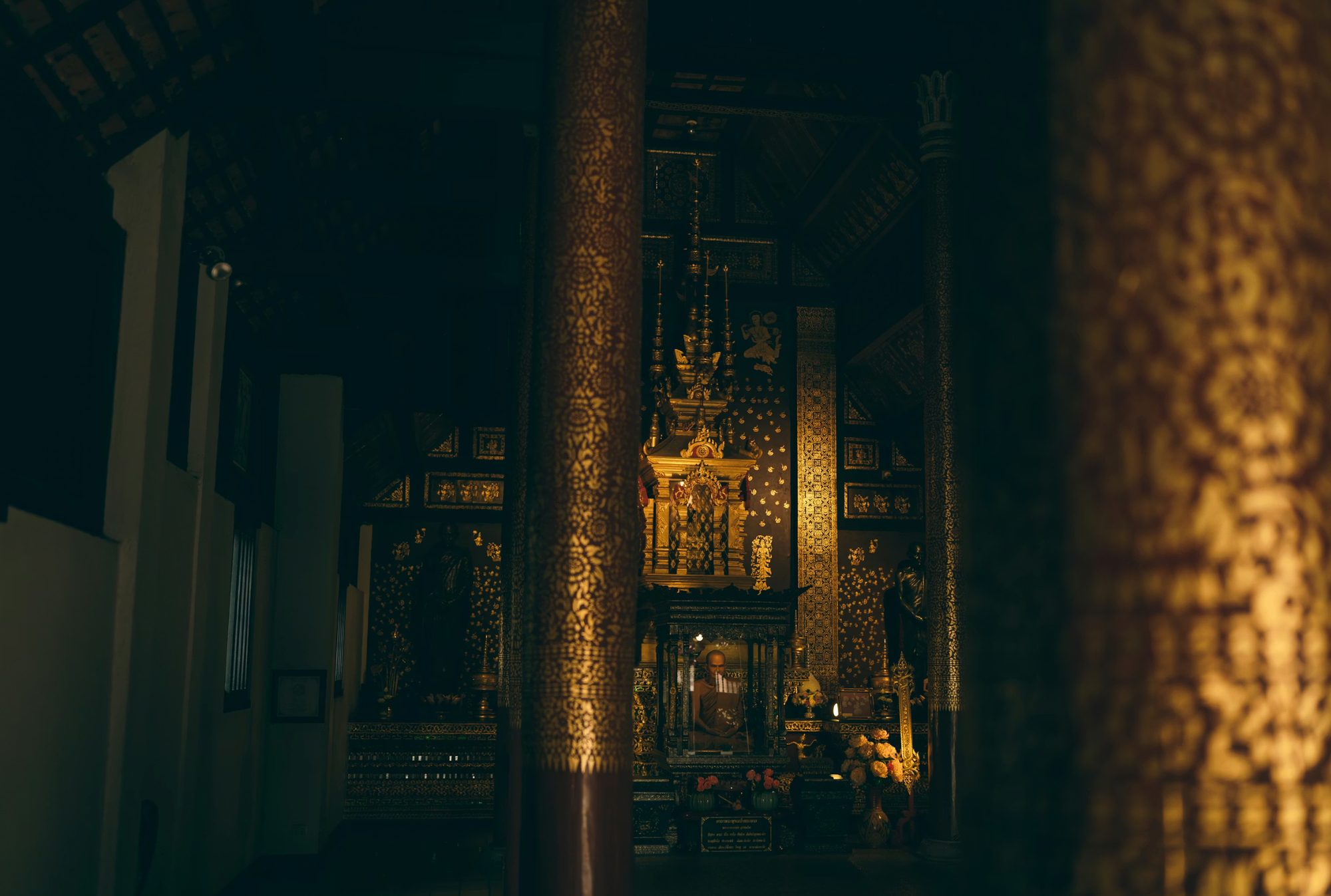
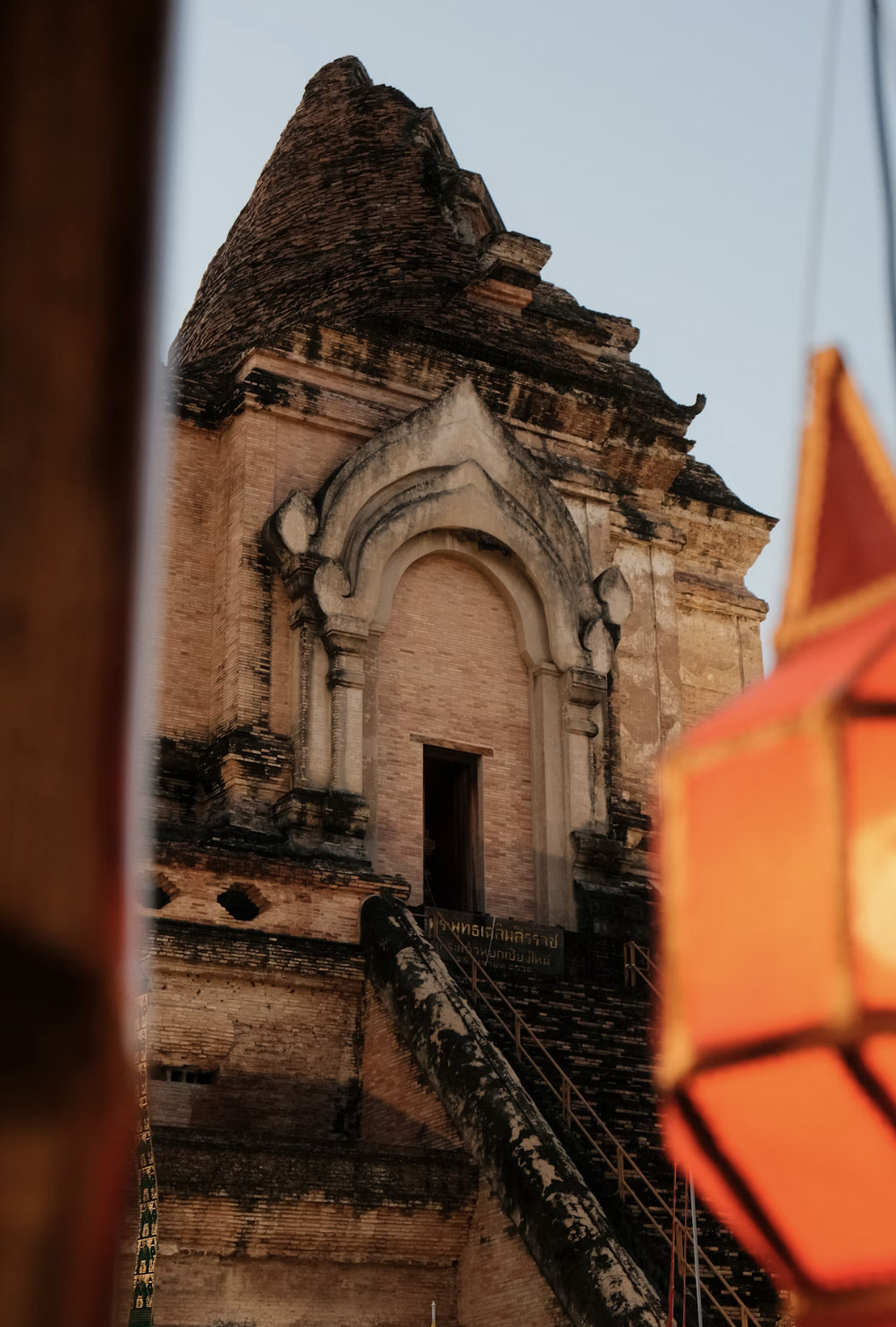
10 temples in Chiang Mai editorial guide by locals
Why Chiang Mai Earned the Nickname "City of 300 Temples"
Chiang Mai was founded in 1296 as the capital of the Lanna Kingdom, a Buddhist kingdom influenced by Burma, Yunnan China, and ancient Mon culture. For seven centuries, every king, every wealthy family, every neighborhood built or restored a temple. The result: a city of roughly 1.7 million people with more temples than convenience stores.
What's distinctive about Chiang Mai temples (versus Bangkok or Ayutthaya) is Lanna architecture. Steeper roof angles, wood and red brick construction, white-and-gold chedis with multi-tier umbrellas, and a quieter atmosphere than the gilded Bangkok royal temples. They feel lived-in, used by actual monks and residents, not just maintained for tourists.
Most temples are free to enter (a few iconic ones charge 50 THB for foreigners). They open at sunrise around 6am and close around 5 to 6pm. The Old City has the highest density: roughly 30 temples within the 1.5km square fortified area. You can walk between most of them.
A note on visiting: temples are living spiritual sites, not museums. Cover your shoulders and knees, remove shoes before entering the main hall (the bot), don't point your feet at the Buddha statues, speak quietly. Women should not touch monks or hand objects directly to them.
The Old City Temples (Easy Walking Tour)
These six are all inside or just outside the fortified Old City walls. You can see them all in one full day on foot, or split across two mornings with breakfast and coffee breaks.
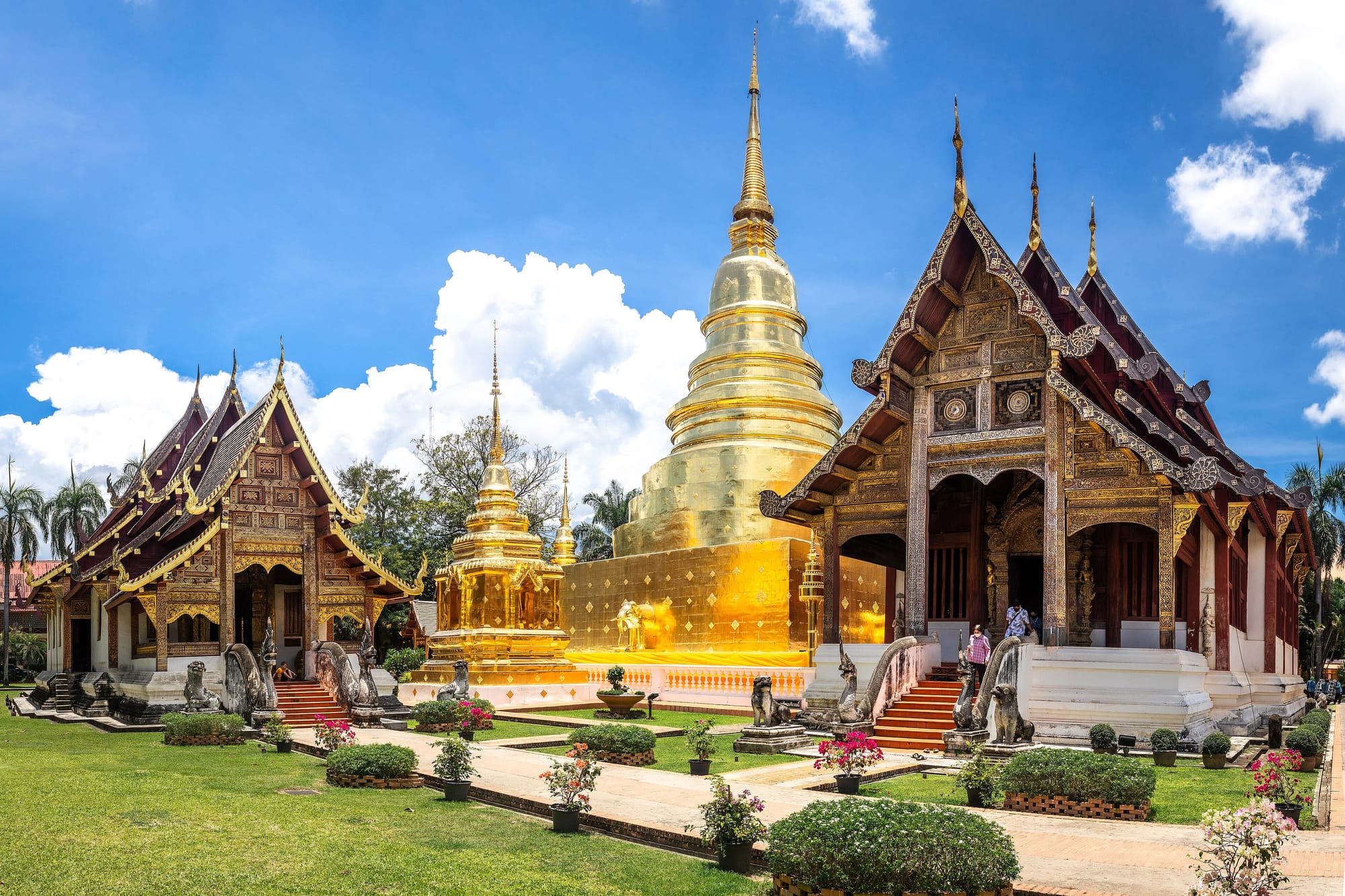
1. Wat Phra Singh (The Most Important)
Built in 1345, this is the most revered temple in Chiang Mai and houses the Phra Singh Buddha, a deeply venerated statue. The main attraction is the Wihan Lai Kham, a 14th-century viharn with stunning Lanna-era murals depicting daily life from 1800s northern Thailand.
- Location: Old City West (Singharat Road)
- Entry: 50 THB for foreigners
- Best time: early morning (8 to 9am) before tour buses
- Time needed: 30 to 45 minutes
The murals alone are worth the entry. They show scenes of everyday Lanna life: cooking, fighting, romance, ceremonies. It's the closest thing to a time machine you'll find in Chiang Mai. Bring a flashlight on your phone, the lighting inside the viharn is dim.
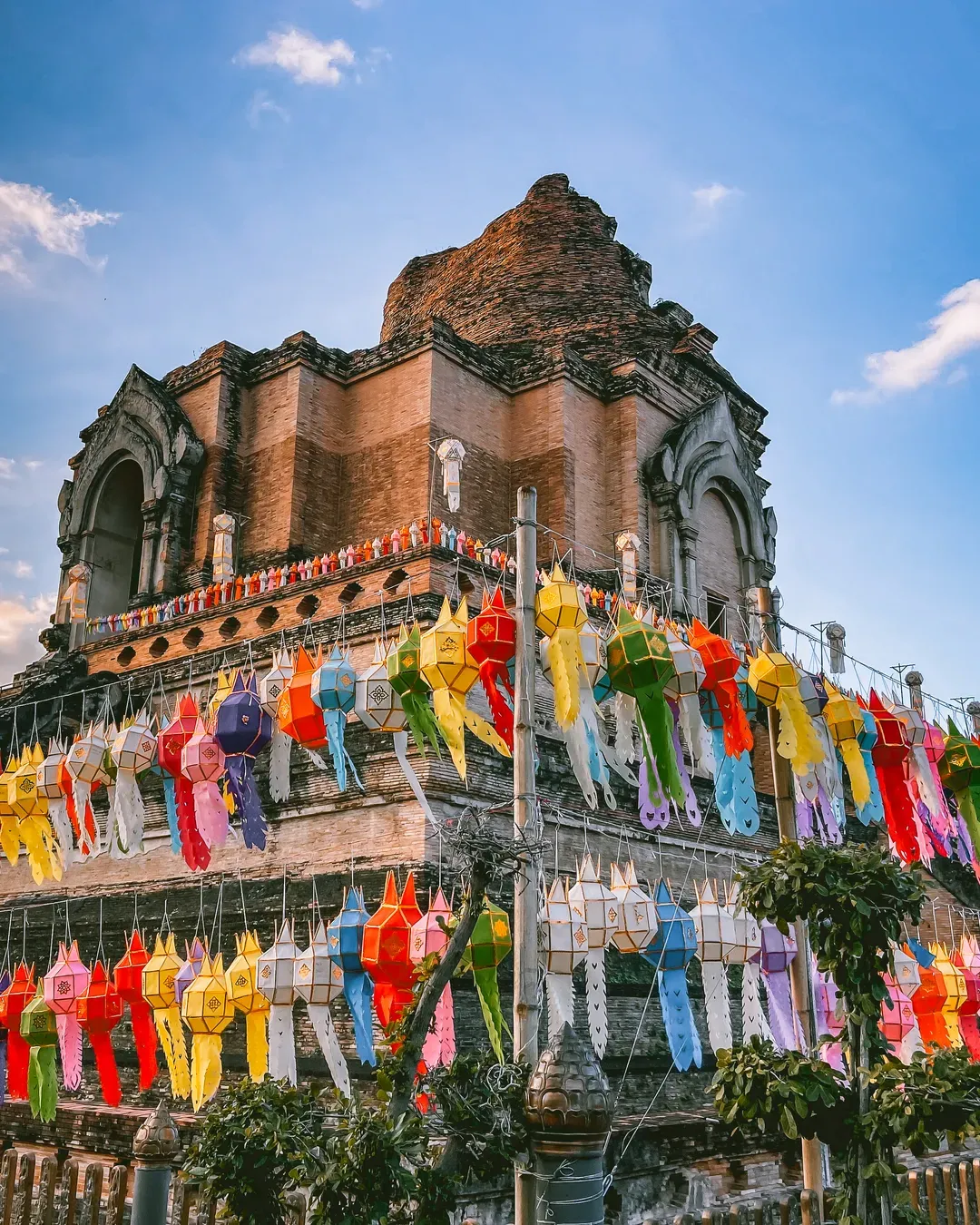
2. Wat Chedi Luang (The Ruined Giant)
Built in 1391, this used to be the tallest building in Lanna at 82 meters high, until an earthquake in 1545 destroyed the top portion. What remains is a massive partial chedi covered in elephant statues, a sight unlike anywhere else in Thailand.
- Location: Old City center (Prapokklao Road)
- Entry: 50 THB for foreigners
- Best time: late afternoon (4 to 5pm), the chedi glows gold in the slanted light
- Time needed: 45 to 60 minutes
Wat Chedi Luang is also home to the Monk Chat, an informal program where novice monks practice English with visitors in a peaceful courtyard, usually between 9am and 6pm. It's free, fascinating, and one of the rare chances to actually talk to a monk about Buddhism, monastic life, or your existential crisis.
3. Wat Chiang Man (The Oldest)
Built in 1296 (literally the year Chiang Mai was founded), this is the city's first temple. Smaller and less flashy than Wat Phra Singh, but it houses two ancient Buddha statues: the Phra Sila (a stone Buddha from India, possibly 2,000 years old) and the Phra Setangkhamani (a crystal Buddha believed to bring rain).
- Location: Old City northeast (Ratchaphakhinai Road)
- Entry: free
- Best time: anytime, rarely crowded
- Time needed: 20 to 30 minutes
The standout feature is the Elephant Chedi, a 15th-century stupa surrounded by 15 stone elephants emerging from the base. It's one of the most photogenic small details in Chiang Mai. Often skipped by tour groups because it's "too quiet". That's exactly why we recommend it.
4. Wat Phan Tao (The Wooden Temple)
A small temple entirely built from teak wood, originally a royal throne hall converted into a temple in 1876. It's the only major all-wood temple still standing in central Chiang Mai.
- Location: Old City (next to Wat Chedi Luang)
- Entry: free
- Best time: late afternoon or during festivals
- Time needed: 15 to 20 minutes
The visual contrast with the white-and-gold temples around it is striking. The dark wood, the simplicity, the small scale. During Loy Krathong and Yi Peng festivals (November), Wat Phan Tao is one of the most beautiful temples in the city, lit by hundreds of candles and lanterns. If you're in town during those festivals, come here at night.
5. Wat Lok Molee (The Hidden Old City Gem)
Located just north of the Old City moat, this 15th-century temple is massively underrated. A giant brick chedi in pure Lanna style, a peaceful courtyard, and almost no tourists. Most visitors miss it because it's a 5-minute walk outside the walls.
- Location: just north of Chang Phueak Gate
- Entry: free
- Best time: anytime, especially golden hour
- Time needed: 20 to 30 minutes
This is the temple we recommend when someone says "show me a real Chiang Mai temple, not the famous ones". The brick chedi is raw, unpolished, deeply photogenic. The vibe is closer to walking into a 500-year-old garden than visiting a tourist site.
6. Wat Chiang Yuen (The Royal Coronation Temple)
A small Old City temple tied to Lanna royal history. New kings traditionally came here to pray before their coronation. Even now, it's mostly visited by locals during religious ceremonies, almost never by tourists.
- Location: Old City north (Mani Nopharat Road)
- Entry: free
- Best time: weekday mornings
- Time needed: 15 to 20 minutes
The architecture is classic Lanna with a quiet, intimate scale. We include it because it's the kind of temple that shows you how Chiang Mai feels when no tour bus is there. Pair it with Wat Lok Molee, they're a 5-minute walk apart.
The Mountain Temples (Day Trip Required)
Two essential temples on Doi Suthep mountain, 15km west of the city. Different vibe entirely: jungle setting, panoramic views, longer travel time.
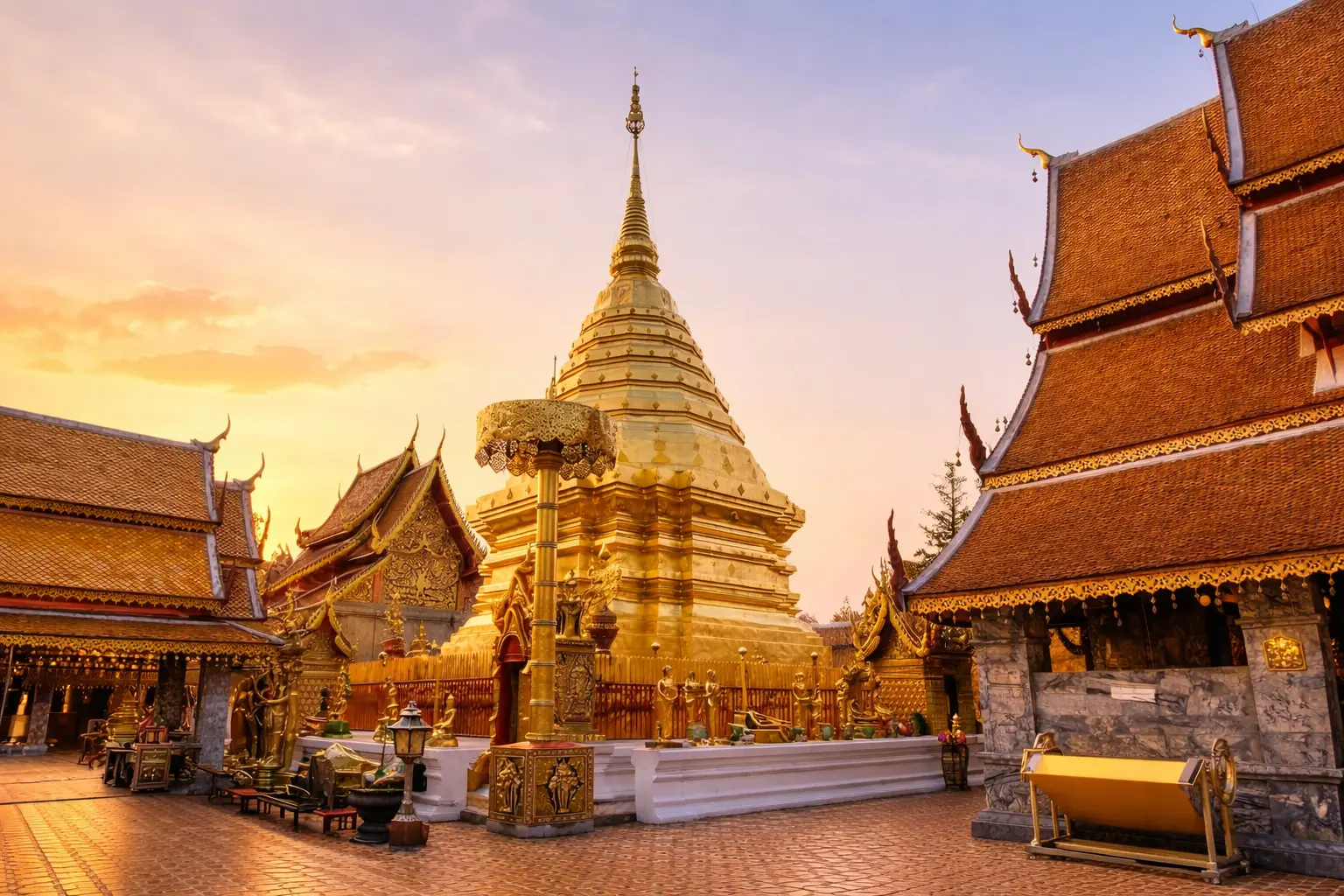
7. Wat Phra That Doi Suthep (The Icon)
The most famous temple in Chiang Mai and the symbol of the city. Built in 1383 on top of Doi Suthep mountain at 1,073m elevation, with a stunning golden chedi and panoramic views of Chiang Mai below. You climb a 309-step naga staircase to reach the temple complex.
- Location: Doi Suthep mountain, 15km west of Chiang Mai
- Entry: 50 THB for foreigners, plus optional cable car (50 THB if you don't want the stairs)
- Best time: before 8am to avoid the crowds and have the views to yourself
- Time needed: 1 to 1.5 hours at the temple, plus 45 minutes travel each way
Doi Suthep is the temple every visitor to Chiang Mai sees at least once. The early morning visit (before 8am) is transformative: you get the temple almost empty, the mist still hanging in the valley, and locals coming for morning prayers. By 10am, it's a tour bus circus.
To get there: take a songthaew (red truck shared taxi) from the Old City for 60 to 100 THB per person, or hire a private songthaew for around 600 THB round trip. Easy DIY but the road is steep and winding, not for the motion-sick.
8. Wat Pha Lat (The Hidden Forest Temple)
Halfway up Doi Suthep mountain, deep in the jungle, sits one of the most magical temples in Northern Thailand. Wat Pha Lat ("temple of the slanting rock") is barely on the tourist radar despite being 5 minutes off the main Doi Suthep road. Stone carvings, moss-covered statues, a small waterfall, and monks who actually live there in peaceful retreat.
- Location: Doi Suthep mountain, halfway up
- Entry: free
- Best time: morning, especially right after Doi Suthep visit
- Time needed: 45 to 60 minutes
We recommend visiting Wat Pha Lat on your way down from Doi Suthep, not before. The contrast between the iconic golden temple and this jungle-hidden one is the entire point. You can also access it via the Monk's Trail, a one-hour forest hike starting from kilometer 5 of the Doi Suthep road. Bring water and decent shoes if you do the trail.
For both Doi Suthep and Wat Pha Lat in one trip, the Monk's Trail hike between them is the local move. Or you can combine them with a guided day tour that adds Wiang Kum Kam, an often-overlooked archaeological site south of the city. We have that day combo available on Guidestination if you want everything handled with transport.
The Forest and Specialty Temples
Two more for travelers who want to go beyond the standard temple circuit.
9. Wat Umong (The Tunnel Temple)
A unique forest temple built in 1297 with a network of ancient brick tunnels carved into a small hill, each tunnel containing Buddha statues. The temple is surrounded by mature trees, peaceful walking paths, and a small lake with fish and turtles.
- Location: 4km west of Old City (near Chiang Mai University)
- Entry: free
- Best time: late afternoon for the light filtering through trees
- Time needed: 1 hour
Wat Umong has a completely different feel from every other Chiang Mai temple. Quiet forest atmosphere, monks studying or meditating, no tour groups. Walk the meditation paths, explore the tunnels with your phone flashlight, sit by the lake. It's where locals come to escape the heat and noise of the city center.
Bonus: the temple has a weekend Sunday meditation session that's open to visitors, with English instruction available. Donation-based.
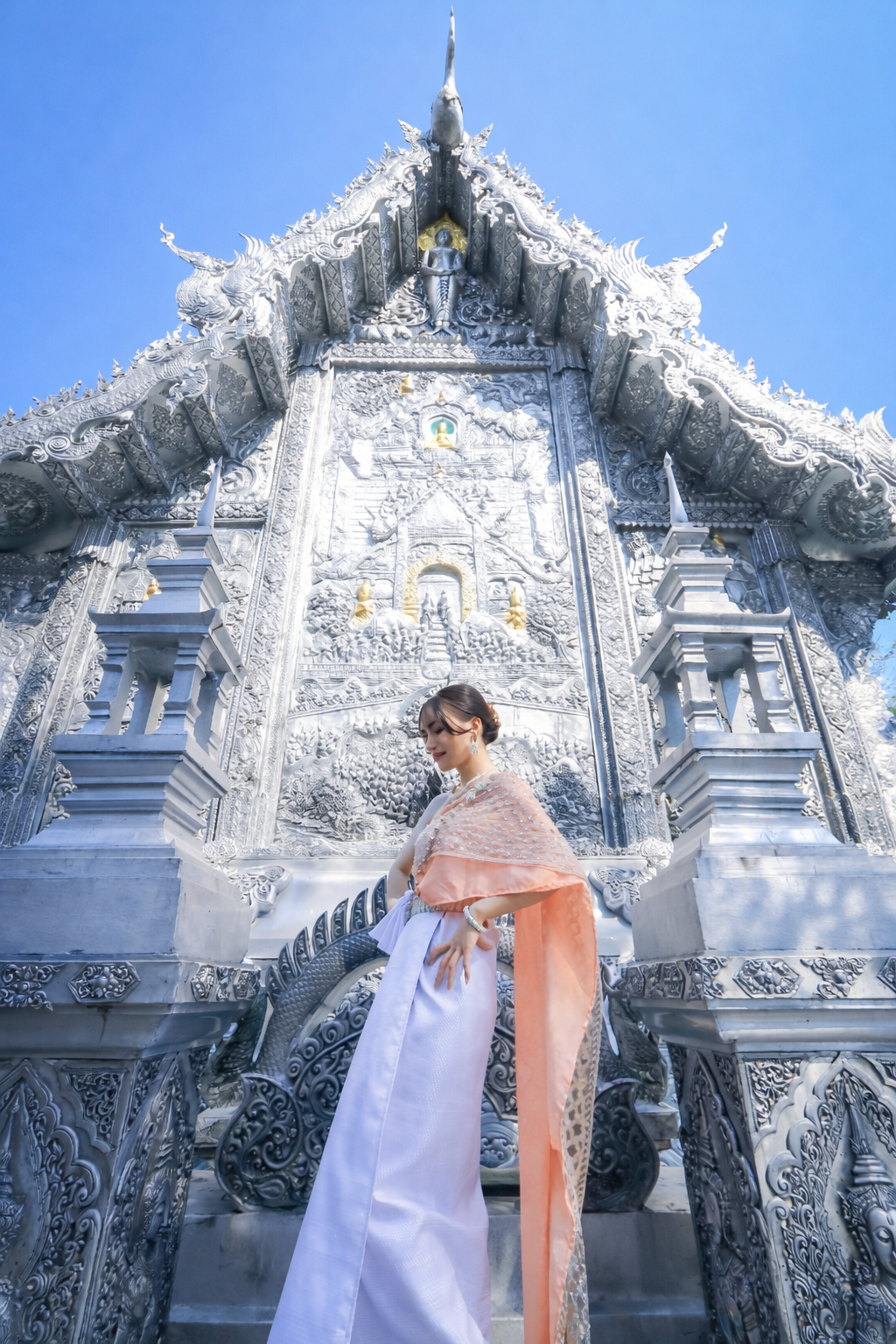
10. Wat Sri Suphan (The Silver Temple)
A 500-year-old temple in the Wualai silversmith district, famous for its entirely silver-clad bot (main worship hall), the only one of its kind in the world. The hand-carved silver panels depict scenes from the Buddha's life and Lanna history, glowing especially well at sunset when the building is illuminated.
- Location: Wualai Road, south of Old City
- Entry: 50 THB for foreigners
- Best time: Saturday evening (Walking Street day) for the night illumination, or any sunset
- Time needed: 30 to 45 minutes
Important note: women are not allowed to enter the silver bot interior (ancient Lanna religious tradition). The exterior is the highlight anyway, and women can fully explore the rest of the temple grounds. The Saturday Walking Street on Wualai Road passes directly in front of this temple, so you can combine the two.
Two Honorable Mentions Worth a Detour
A few extra temples that didn't make our top 10 but deserve mention if you have extra time.
Wat Suan Dok (just outside the Old City west): a peaceful temple with rows of small white chedis containing the ashes of Chiang Mai's royal family. Photogenic at sunset. Free entry, often hosts evening monk chats.
Wat Saen Fang (riverside area near Warorot Market): a small, less-known temple with a beautiful Burmese-influenced chedi. Best visited as part of the dawn alms-giving ritual we describe below.
The Two Best Ways to Experience Chiang Mai Temples
If you're going to visit these temples, here are the two experiences that completely change the depth of what you see and understand.
Walking with a Former Monk
The single best decision we made when learning about Buddhism in Chiang Mai was joining a temple walking tour led by a former monk. Three hours, four temples, real explanations of what you're looking at, why certain statues face certain directions, what the rituals mean, what life in the monastery is actually like. You walk out understanding 10x more than you would from any guidebook.
We offer two versions of this tour:
- Morning edition (9am, around 800 THB): covers Wat Phra Singh, Wat Chedi Luang, Wat Phan Tao, and Wat Inthakhin. The most iconic temples, perfect for first-time visitors. Bookable on Guidestination: Walking Tour of Temples with Former Monk, Morning Edition.
- Afternoon edition (1pm, around 800 THB): covers the lesser-known Wat Chiang Man, Wat Pa Pao, Wat Chiang Yuen, and Wat Lok Molee. More off-the-beaten-path, slower pace, deeper conversation.
Both are led by English-speaking guides with TAT licenses. Small groups (max 10). The guide will adapt the conversation to your level of curiosity, whether you know nothing about Buddhism or already meditate daily.
The Sunrise Alms Walk (Tak Bat)
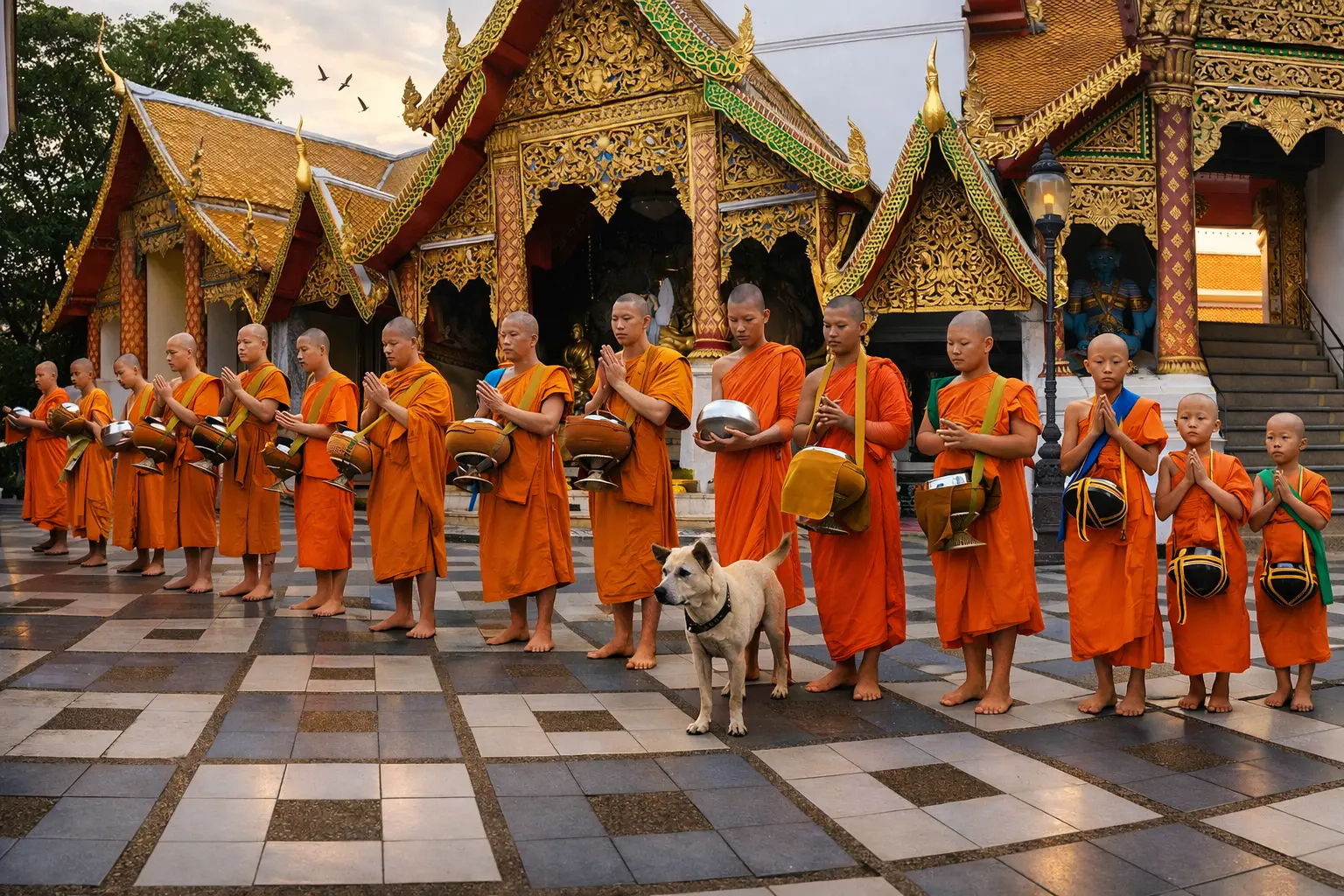
Every morning at sunrise, monks across Thailand walk through their neighborhoods to collect food alms from local residents. It's a tradition that goes back 2,500 years and is still very much alive in Chiang Mai. You can observe (and respectfully participate in) this ritual on a guided morning walk.
Around 1,600 THB, including transport, English-speaking guide with TAT license, the alms-giving ceremony, a visit to Wat Saen Fang, a stop at Warorot Market to see how locals prepare food for the monks, and a traditional Thai breakfast at the temple afterwards. The whole experience is 2.5 hours, starting at 6am.
⚠️ Important on this experience: it's not a tourist show. It's a religious practice that you're being invited to observe. The guide briefs you carefully on etiquette: silence, no photos of monks' faces without permission, no flash, modest dress. If you participate in offering food, you do it sitting or kneeling lower than the monks, never standing above them.
This is one of the most quietly transformative experiences in Chiang Mai. Unlike the famous Luang Prabang alms-giving which has become a tourist spectacle, the Chiang Mai version is still mainly local. Worth the early wake-up.
If You Have More Time: Chiang Rai's Iconic Modern Temples
If you have an extra day and want to see something completely different, the Chiang Rai day trip (200km north of Chiang Mai) takes you to three of the most architecturally striking modern temples in Thailand:
- Wat Rong Khun (the White Temple): an entirely white contemporary temple covered in mirror glass, designed by artist Chalermchai Kositpipat. One of the most photographed temples in Thailand.
- Wat Rong Suea Ten (the Blue Temple): deep cobalt blue with gold detailing, dragons, and a peaceful white Buddha inside. Very different from any traditional Thai temple.
- Wat Huay Pla Kang: an enormous white Guan Yin statue and a multi-tiered pagoda you can climb for panoramic views over Chiang Rai province.
This is a long day (8 hours including drive each way), but if you're staying in Chiang Mai for a week or more, it's the kind of trip that complements the traditional Lanna temples perfectly. Bookable on Guidestination: Chiang Mai to Chiang Rai Iconic Temples Adventure with hot springs stop included.
Temple Etiquette: The Real Rules (Not Just the Obvious Ones)
A few things that surprise even experienced travelers:
Shoes off before entering the bot (main hall), always. Sometimes also before entering certain courtyards. Look at what locals do.
Cover shoulders and knees. Long pants/skirts and t-shirts minimum. Not "almost" covered. Many temples offer sarongs at the entrance if you're not dressed properly, but bringing your own is more respectful.
Don't point your feet at Buddha statues when sitting. Tuck them under or to the side. This applies inside the bot when you sit on the floor.
Don't touch Buddha statues, especially the head. Don't climb on chedis. Don't take selfies with your back to the Buddha.
Women cannot touch monks, even accidentally. If giving alms, place items on a cloth the monk holds out, not directly into his hand.
Speak quietly, even outside. Temples are working religious sites, not photo studios.
Photography is usually OK, except sometimes inside the most sacred halls. Look for signs. No flash near worshippers or during ceremonies.
According to the Tourism Authority of Thailand (tourismthailand.org), respectful temple visits are a key factor in maintaining Chiang Mai's status as a sacred Buddhist destination. The rules above aren't bureaucracy, they're how visitors keep being welcome.
How to Plan Your Temple Days
Here's our honest take on how to organize a temple visit during your Chiang Mai stay:
If you have 1 day: pick Doi Suthep (early morning) + 2 Old City temples (Wat Phra Singh and Wat Chedi Luang). Don't try to do more. Temple fatigue is real and ruins the experience.
If you have 2 to 3 days: split it. Day 1: morning Doi Suthep + afternoon Old City temples (Phra Singh, Chedi Luang, Phan Tao). Day 2: forest temples (Wat Umong) + hidden Old City (Lok Molee, Chiang Yuen). Day 3 optional: Wat Pha Lat hike + Wualai Silver Temple at sunset.
If you have 5+ days: add the Chiang Rai day trip, do a sunrise alms walk on a separate morning, and book a former monk walking tour for context.
If you have kids: skip the long temple walks. Pick Doi Suthep (the naga staircase is fun), Wat Umong (the tunnels are an adventure), and Wat Phan Tao (small and quick). Skip the deep cultural tours.
FAQ: Everything People Ask Us About Chiang Mai Temples
How much does it cost to visit Chiang Mai temples?
Most temples are free. The iconic ones (Doi Suthep, Wat Phra Singh, Wat Chedi Luang, Wat Sri Suphan) charge 50 THB for foreigners. Some have a small donation box at the entrance, suggested but not mandatory. Budget around 200 to 300 THB total for entry fees if you're doing the main circuit.
What should I wear to visit temples in Chiang Mai?
Shoulders and knees covered. Lightweight long pants or a long skirt, plus a t-shirt that covers shoulders. Avoid tank tops, shorts above the knee, transparent fabric. Bring a sarong or scarf as backup. Slip-on shoes are smart since you'll remove them frequently.
Can I take photos inside Chiang Mai temples?
Generally yes, except in the most sacred halls (look for signs). Never use flash near worshippers. Don't take selfies with the Buddha statue behind you (your back to the Buddha is disrespectful). Photos of monks should be done with respect, ideally with permission for close-ups.
What's the best temple in Chiang Mai for first-time visitors?
If you only see one: Doi Suthep. It's the symbol of the city, the views are unmatched, and the experience of climbing the naga staircase at dawn is unforgettable. If you want a second: Wat Phra Singh for the murals and historical importance.
Are Chiang Mai temples open every day?
Yes, generally 6am to 6pm. Some close to non-Buddhists during major religious holidays (a few times per year). The main halls (bot) may close earlier than the outer grounds. Check signs at the entrance.
Is it worth hiring a guide for temple visits?
If you're curious about Buddhism, culture, or history: absolutely yes. The depth of what you understand goes from "pretty old buildings" to "rich living tradition I now actually grasp". If you just want to see them and take photos, you can do it solo.
Final Word: Chiang Mai Temples Are Different from Bangkok Temples
The Bangkok temple circuit (Wat Pho, Wat Arun, Grand Palace) is impressive but feels like a museum tour. Long lines, expensive tickets, photo crowds. Chiang Mai temples feel alive. Local people praying, monks studying, ceremonies happening, hardly any barriers between you and the spiritual practice happening in front of you.
If you're already in Chiang Mai, take the time to visit at least 4 or 5 of these. Go early in the morning. Go without your phone for at least one. Sit on a bench inside Wat Umong or Wat Pha Lat and just listen. That's the real Chiang Mai temple experience.
If you want help planning your temple days or want a guide who actually knows the stories behind the stones, our temple tours are available year-round in small groups. Drop a comment if you want help picking the right format for your trip.
Team note: article updated May 2026. Entry fees and timings reflect what was observed at the time of writing and may vary slightly. Always check current information at the temple entrance.