
Parfait, j'ai tout ce qu'il faut pour un article vraiment profond. Voici l'article #9 :
The Land of Smiles Is Real — Here Is Why Northern Thailand Means It
Reading time : 9 min | Updated : April 2026
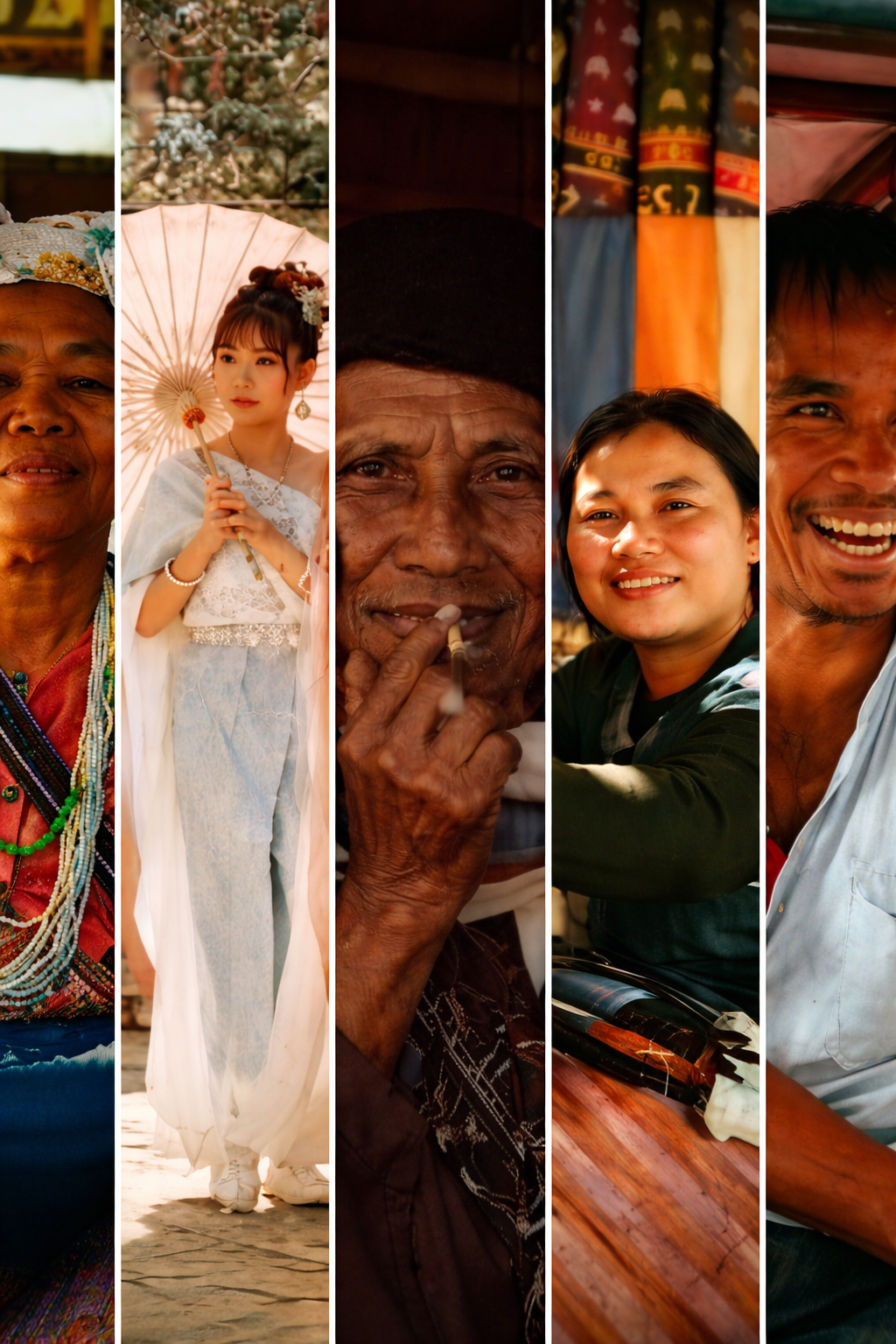
Every country in the world has a tourism slogan. Most of them are forgotten within minutes of arrival. Thailand's is different. The Land of Smiles is one of those rare pieces of marketing that turns out to be accurate, and if you spend any real time in northern Thailand, you start to understand why.
The smile here is not the performance of the service industry. It is not the professional courtesy of someone who needs a tip. It is something older and quieter, rooted in a philosophy of the heart that most visitors sense but few ever fully understand. This article is an attempt to explain it.
A Language Built Around the Heart
The Thai word for heart, jai, does not map cleanly onto its English equivalent. In English, the heart is a metaphor for emotion. In Thai, jai is the operating centre of a person's entire psychological and moral life. Almost every concept relating to character, attitude, temperament, and intention runs through it.
Thai society values nam jai, literally "water of the heart," which represents genuine generosity without expecting anything in return. The concept of greng jai, literally "a cautious heart," shows how Thais respect others by holding themselves back to avoid imposing. Phuket 101
This is worth sitting with. Generosity, in northern Thai culture, is not an act. It is a quality of the heart that flows outward naturally, like water. You do not decide to be generous. You simply have nam jai, or you do not. The distinction matters because it explains why the hospitality you encounter in Chiang Mai feels qualitatively different from hospitality you receive in more transactional settings. It is not being performed for you. It is just what these people are like.
Jai Yen : The Cool Heart
The concept at the centre of everything is jai yen, literally "cool heart."
Jai yen is a heart characterised by composure, calm and patience. The ability to keep cool in tense situations is highly admirable in Thai society. The opposite term, jai rorn or "hot heart," describes one who has lost their cool. A person with jai rorn might fly off the handle and react with anger and violence. Travelfish
In practice, jai yen means something much richer than just keeping your temper. A person who is jai yen is patient, forgiving, accepting of the circumstances that life brings, easy-going and can stay calm and collected even in the face of provocation or distress. Having a cool heart is often regarded as a sign of emotional maturity. Thai Food and Travel
The opposite of jai yen is not anger exactly. It is a hot heart, jai rorn, and losing it is considered a profound loss of dignity. A Thai proverb says: "If your heart is a volcano, how shall you expect flowers to bloom in your hand." Thai Small Talk
This shapes everything about daily life in northern Thailand. The way disputes are handled, quietly and indirectly rather than confrontationally. The way bad news is delivered, with a smile that cushions the impact. The way strangers are treated, with a patience and openness that people from more guarded cultures find disarming and sometimes almost suspicious, as if there must be a catch.
There is no catch. It is just jai yen.
Why the North Is Different Even Within Thailand
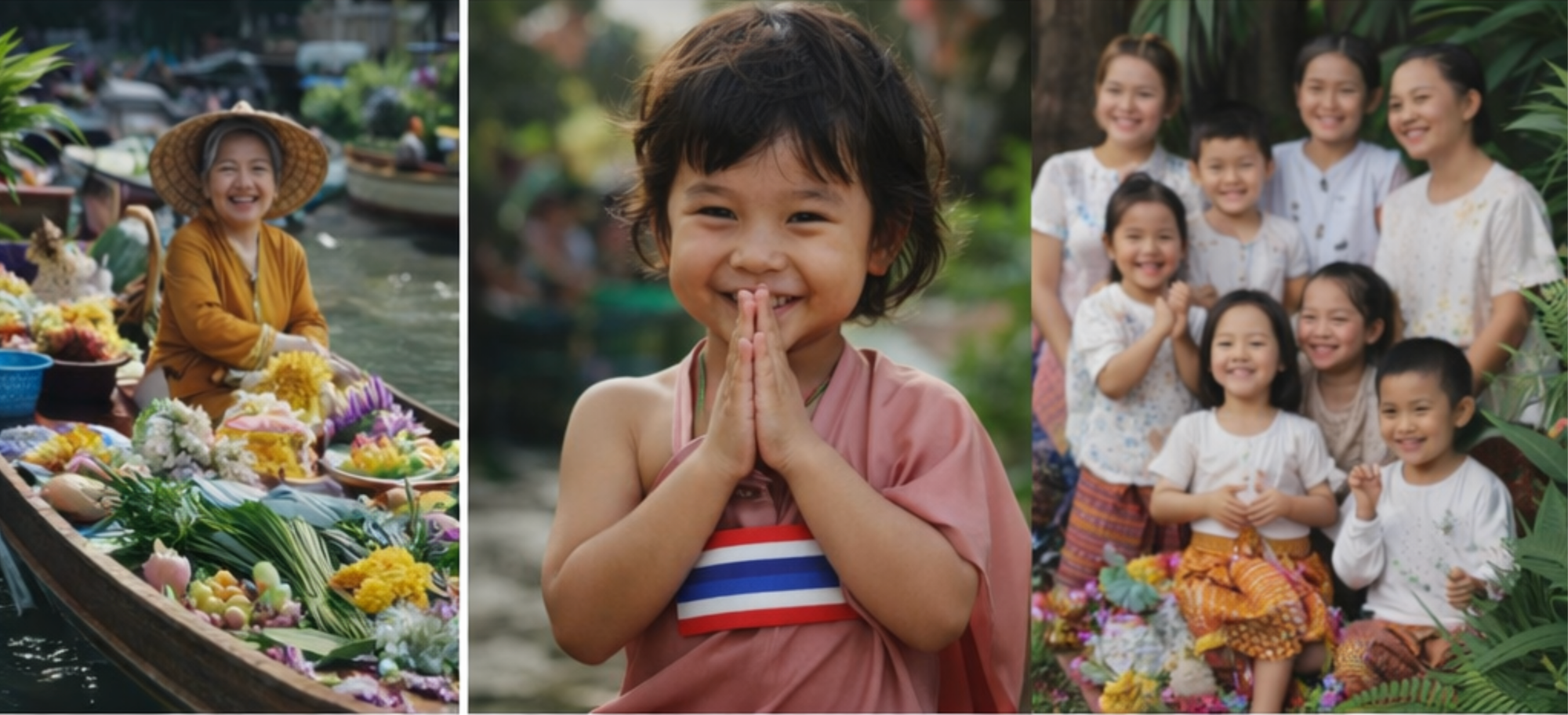
Thailand as a whole carries this reputation for warmth. But people who spend time in both Bangkok and Chiang Mai consistently report that something is different in the north. The pace is slower. The interactions feel less rushed. Strangers stop to help without being asked. Elderly shopkeepers insist you try something before you buy it.
Part of this is simply urban density. Bangkok is a city of ten million people moving fast. The social pressure of that density creates a different register of interaction, polite but efficient. Chiang Mai at 200,000 people still has the social architecture of a community where people know their neighbours, where the temple is a gathering place rather than a monument, where the rhythms of daily life are tied to seasons and ceremonies rather than traffic and notifications.
But there is also something specifically Lanna about it. The northern Thai community ideal, rooted in centuries of rice cultivation in river valleys, was built around systems of mutual help. Labour was exchanged between families for harvests and house-building. The temple was where children were educated, where disputes were settled, where the community gathered for every significant moment of life. Village life revolved around the temple, which served as the community centre, school, and news hub. Labour was often exchanged through ao raeng, mutual help systems for rice harvesting or house building, reinforcing tight-knit community bonds that persist in rural areas today. Lanna Kingdom
You do not build that kind of community with a hot heart.
Mai Pen Rai : Nothing Is Worth Losing Your Cool Over
Alongside jai yen runs another concept that visitors encounter constantly without always recognising it as philosophy rather than casualness: mai pen rai.
It translates roughly as "never mind," "no problem," or "it doesn't matter." But the translation does not capture the intention behind it. Thai people brush aside things that don't turn out well with a mai pen rai, saying it with a smile and moving on to something else that may provide just as much satisfaction. If there is little one can do to change things, saying mai pen rai may be preferable to pursuing the matter, especially if the change may impose on someone else's feelings. Thai Food and Travel
For visitors from achievement-oriented cultures, this can be confusing at first. A plan changes at the last minute. Mai pen rai. Something arrives late. Mai pen rai. The restaurant has run out of what you ordered. Mai pen rai, something else will be just as good. What looks like indifference is actually a sophisticated emotional calibration: the conscious decision not to invest suffering in things that cannot be changed, and the genuine belief that most problems are smaller than they appear to a hot heart.
Living with this philosophy for even a week tends to do something to you. The urgency that you arrived with starts to seem less essential. You start to notice things you were moving too fast to see.
The Smile and What It Is Actually Saying
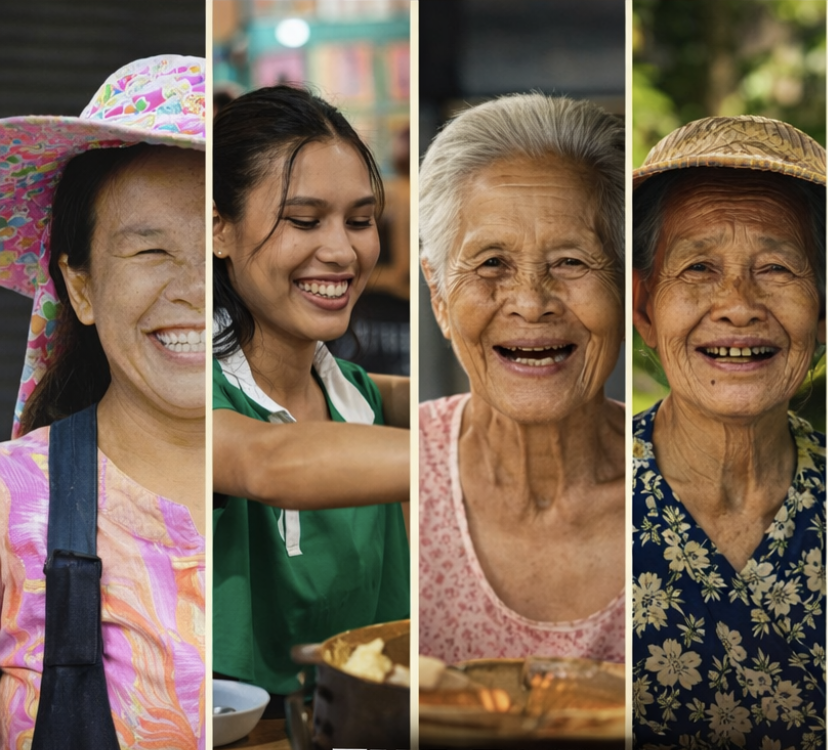
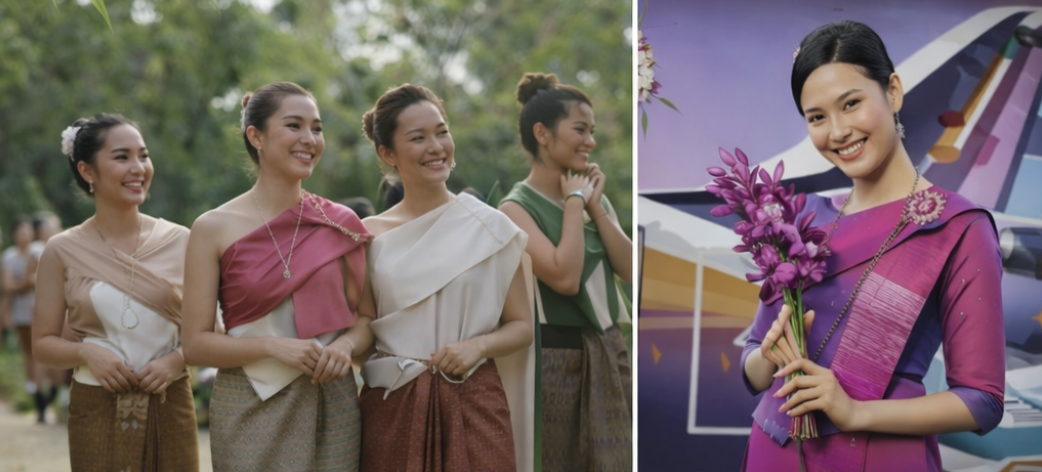
The Thai smile is famous and also slightly misunderstood by visitors who are used to smiles as expressions of happiness. In northern Thailand, smiling is a social tool with a much wider range of functions.
It can signal genuine pleasure. It can acknowledge an awkward situation without escalating it. It can cover embarrassment. It can deflect a question that is too direct. It can express apology without the vulnerability of a verbal one. It can simply maintain the warmth of an interaction that might otherwise become cold.
None of this makes it dishonest. All of it makes it more sophisticated than the smile most Western cultures use, which is primarily an expression of happiness and almost nothing else.
The insight that changes how you experience Chiang Mai is understanding that the smile is not always telling you the other person is happy. It is telling you that they are keeping the interaction cool, that they are choosing jai yen over jai rorn, that they are offering you the dignity of a warm face even in a moment that might be uncomfortable. That is a gift, and it deserves to be received as one.
What This Means for You as a Visitor
The good news is that jai yen is contagious. Most people who spend more than a few days in Chiang Mai notice something shifting in themselves. The urgency softens. The instinct to push back on small frustrations starts to seem less important than it did at home. "Jai yen, Julia," the Thai women tell a researcher during stressful incidents. "Be calm, keep your heart cool." Or they might say, tham jai, "make your heart," which means acceptance and letting go. Washington State Magazine
The practical implications for getting the most out of your time here are straightforward. Slow down more than you think you need to. Accept invitations that you would normally decline on time grounds. Let conversations run past the point where you have what you came for. Do not push when something is not working, wait and let it resolve. Return warmth with warmth and you will receive more than you expected.
The experience of being in a place where the dominant philosophy is literally "keep your heart cool" changes something in the body as well as the mind. People who come to Chiang Mai stressed leave noticeably calmer. People who come for a weekend come back for weeks.
This is not the tourism slogan doing its job. It is jai yen doing its job.
The Sunrise Alms Walk : Jai Yen Made Visible
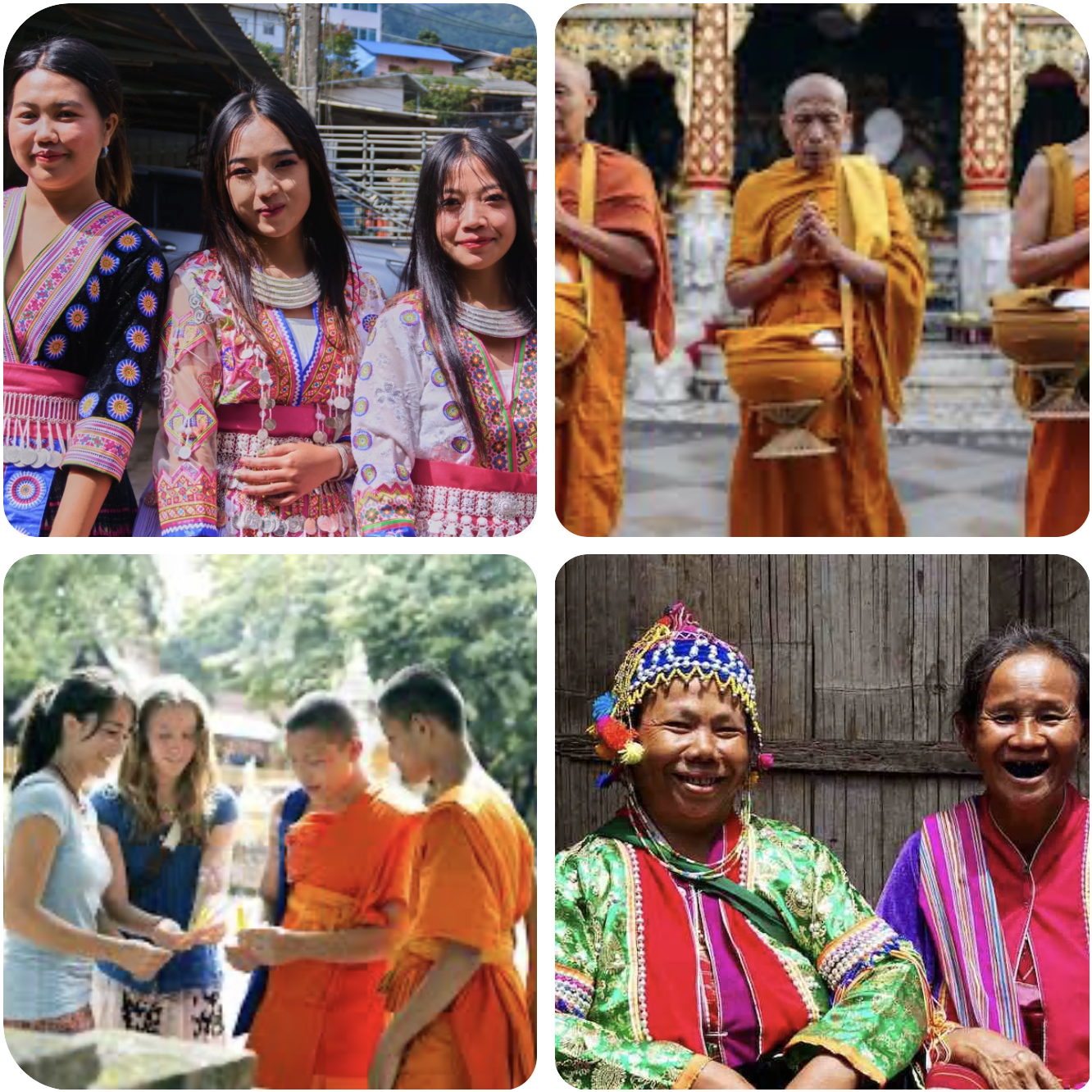
The clearest expression of jai yen as a living practice is the morning alms-giving procession that happens in the streets of the old city every day before sunrise.
Residents prepare offerings the evening before. They rise before dawn. They kneel on mats on the pavement and wait in silence as monks in saffron robes walk slowly past, collecting food in lacquered bowls. The exchange takes three minutes. Nobody rushes. Nobody speaks above a murmur. The monks do not stop or engage. They walk, receive, and continue.
It is the coolest heart you will ever see in motion.
If you want to experience this properly, the sunrise alms walk experience includes a cultural briefing that explains the meaning of the ceremony before you witness it. Understanding what you are watching transforms the experience from observation into something closer to participation.
FAQ
Is the Thai smile genuine or is it just for tourists ? Both, depending on context, and the distinction matters less than visitors think. The smile that locals give each other and the smile directed at visitors come from the same cultural root: the commitment to keeping the heart cool and the interaction warm. Service smiles in tourist areas can feel different, but in residential neighbourhoods, markets, and temples, you are seeing the same thing locals see every day.
What is jai yen and how does it relate to the Land of Smiles ? Jai yen means "cool heart" and describes the northern Thai ideal of emotional composure, patience, and calm. It is the philosophical foundation of what gets described externally as the Land of Smiles. The smile is the visible surface of a much deeper cultural commitment to keeping social interactions warm and avoiding the loss of face that comes with showing a hot heart publicly.
Why does northern Thailand feel warmer than Bangkok ? Partly pace, partly scale, and partly the specific Lanna community tradition built around mutual help and temple-centred village life. Bangkok's scale and speed produce a different social register, still polite but less unhurried. In Chiang Mai, the community architecture that created jai yen culture is still more visible in daily life.
Is it rude to get frustrated or show impatience in Chiang Mai ? Not rude exactly, but it does mark you as someone with a hot heart, which in northern Thai culture is associated with immaturity rather than urgency. More practically, showing frustration rarely produces faster results and often produces slower ones. Jai yen yen, keeping the heart cool, tends to be the more effective approach in almost every situation.